Minal, my globe-trotting client came up one day with a bunch of supplements from Europe. She wanted to show me one thing in particular. The jar was named Super Adaptogens. Curiously I turned the jar to look into the ingredients which listed Ashwagandha,Tulsi, Amla and Yashtimadhu. Some smart marketing I thought. The price was over the top as well.
As I have studied herbs in my alternative medicine course, I regularly use Ashwagandha and Yashtimadhu with my willing clients. These herbs when used judiciously can work wonders on our body. Ayurveda has been advocating the use of these herbs for thousands of years. Unsurprisingly we do not adapt them. We want an endorsement from western countries.
What are Adaptogens?
The term Adaptogen was first defined in 1947 by Dr. Nikolai Vasilyevich, a Russian toxicologist and pharmacologist. He defined “adaptogens” as agents which help an organism to counteract any adverse effects of a physical, chemical or biological stressor by generating nonspecific resistance.
Adaptogens are a class of herbs which help us in combating stress and related illnesses. An adaptogen is a herb that helps us adapt to the environment that we are in. There have been several definitions of adaptogens over time, but the best functional definition we have comes from Doctors Brekhman and Dardymov in 1968. They narrowed down the three things that every adaptogen has in common:
- Adaptogens are nontoxic to the person taking them. They have very few side effects and can be used long term without major risk.
- Adaptogens produce a nonspecific response within the body that help to increase the adaptive capacity to the different stresses in life.
- Adaptogens help maintain homeostasis long term by possessing the ability to regulate (not just increase or decrease) metabolic and neuroendocrine function.
Mode of Action:
The effects of adaptogenic herbs have been well-documented for thousands of years in Chinese and Ayurvedic medicine, and more recently in Western scientific studies. We know that all adaptogens work their magic directly on the HPA axis (hypothalamic-pituitary-adrenal), which means that they have a direct effect on how our stress hormones are released and regulated in our bodies. They also have a general balancing effect on regulatory systems, including the metabolic and immune system. This is why herbalists use adaptogens for adrenal support so often.
Common Adaptogens:
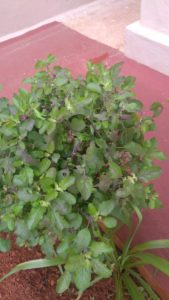
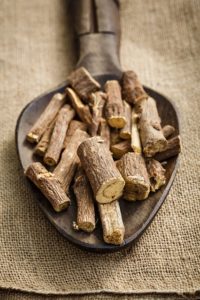
Most common Adaptogens used from Ayurvedic system are Indian Ginseng(Ashwagandha), Holy Basil(Tulsi), Licorice(Yashtimadhu or Mulethi), Indian Gooseberry(Amla), Asparagus(Shatavari) etc. The ones which can be sourced from other parts of the world are Rhodiola, Maca, Eleuthero, Cordyceps, Astragulus root, Panax Ginseng, Schisandra etc.
Availability:
The Indian herbs can be bought locally at Ayurvedic stores and Health stores. They can be bought online as well.
Usage:
Most of the herbs are available in capsule or powdered forms. Some of them are available as dried roots. They can be brewed into teas, lattes or consumed as such.
Precautions:
Before you start with any regimen, It is imperative to discuss with a health care practioneer about dosage and feasibility. Several of these herbs interact with prescription medications and are not recommended for people with certain conditions. Many of the adaptogens are mixed together and sold as cortisol blockers. Only purchase high-quality, organic varieties from trustworthy sources.
Conclusion:
Stress is part of our daily life. There are multiple ways to combat it. Proper Nutrition, Exercise, Sleep are all necessary to maintain homeostasis. Adaptogenic herbs aid in recovering from all kind of stressors in our life. Which particular herb works for a person is completely individualistic. They have multiple benefits if used right.
I will be writing a detail post on the most common herbs available easily around us. Infact we have already made a begining with AMLA. Read all about that here. The Mighty Amla
A fantastic knowledge sharing document … Indian at heart.