 I know it sounds geeky and is a tongue twister but why should we be interested in them in the first place. Phthalates are chemical compounds that are commonly added to plastics to increase their flexibility, transparency, durability and longevity and as lubricants in cosmetics.
The problem with phthalates is that they have been linked to a lot of different health disorders. Actually, they’ve been linked to nearly every big health disorder of the last twenty years. These include asthma, attention-deficit hyperactivity disorder, breast cancer, obesity, type II diabetes, mental handicaps, neurodevelopmental issues, behavioral problems, autism spectrum disorders, androgyny and altered testicular development in boys, and male fertility issues.
Phthalates are potent endocrine disruptors. This means that they mimic and interfere with our hormone systems. This interference in our body can cause cancer, birth defects, developmental problems, and tumors. Basically they hijack a crucial part of our body’s internal mechanism.
WHERE ARE THEY PRESENT ?
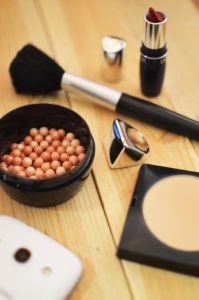
Phthalates are found in the packaging of many products, including children’s toys, paint, printing inks and coatings, clay, pharmaceuticals, food products, and textiles. They are also present in perfumes,deodrants,air freshners,many cosmetics and household products. Medical devices are full of phthalates — they make IV drip bags and tubes soft, can anyone beat this irony.
Diet is believed to be the main source of phthalates because fatty foods such as milk, butter and meats are commonly packaged or stored in plastics containing this dangerous toxin. Many processed foods are also stored in phthalate rich packaging.
CAN WE AVOID THESE POISONS?
It is a grim situation. We cannot totally avoid these chemicals completely. But we can definitely lessen the burden. Below are a few things we can do.
Avoid foods stored in plastic:
Pick foods which are not wrapped in plastic. You might say its difficult, I say have only home cooked meals. Look for milk sold in a glass container, meat wrapped in paper, and yogurt or cheese in “phthalate-free” packages.
Never heat your food in plastic. Foods that are higher in fat — meats and cheeses, for instance — are particularly prone to chemical leaching. Opt for glass food storage containers, and choose bottles and sippy and snack cups that are mostly stainless steel, silicone, or glass.
Stay away from fragrances:
Look for phthalate free cosmetics. Use products which use natural essential oils only as perfume. Look for claims like “no synthetic fragrance” or “scented with only essential oils” or “phthalate-free.”on the products . Using oraganic cosmetics is a better option.
Buy products which say DEP-FREE:
DEP or Diethyl phthalate is the most common phthalate used in commercial preperations. Buying products which do not contain DEP is a safe alternative.
Conclusion:
We cannot avoid these chemicals completely. Choosing natural food and personal products is the right step in the process of wellbeing.
Thank you mam for sharing …very informative
Very good information Mam for now a days bad lifestyle every one living
Thanks Anupama.
Thanks Maam , d information is very informative