Phthalates-Should we know about them?

I know it sounds geeky  and is a tongue twister but why should we be interested in them in the first place.  Phthalates are chemical compounds that are commonly added to plastics to increase their flexibility, transparency, durability and longevity and as lubricants in cosmetics.

The problem with phthalates is that they have been linked to a lot of different health disorders. Actually, they’ve been linked to nearly every big health disorder of the last twenty years. These include asthma, attention-deficit hyperactivity disorder, breast cancer, obesity, type II diabetes, mental handicaps, neurodevelopmental issues, behavioral problems, autism spectrum disorders, androgyny and altered testicular development in boys, and male fertility issues.

Phthalates are potent endocrine disruptors. This means that they mimic and interfere with our hormone systems. This interference in our body can cause cancer, birth defects, developmental problems, and tumors. Basically they hijack a crucial part of our body’s internal mechanism.

WHERE ARE THEY PRESENT ?

Phthalates are found in the packaging of many products, including children’s toys, paint, printing inks and coatings, clay, pharmaceuticals, food products, and textiles. They are also present in perfumes,deodrants,air freshners,many cosmetics and household products. Medical devices are full of phthalates — they make IV drip bags and tubes soft, can anyone beat this irony.

Diet is believed to be the main source of phthalates because fatty foods such as milk, butter and meats are commonly packaged or stored in plastics containing this dangerous toxin. Many processed foods are also stored in phthalate rich packaging.

CAN WE AVOID THESE POISONS?

It is a grim situation. We cannot totally avoid these chemicals completely. But we can definitely lessen the burden. Below are a few things we can do.

Avoid foods stored in plastic: 

Pick foods which are not wrapped in plastic. You might say its difficult, I say have only home cooked meals. Look for milk sold in a glass container, meat wrapped in paper, and yogurt or cheese in “phthalate-free” packages.

Never heat your food in plastic. Foods that are higher in fat — meats and cheeses, for instance — are particularly prone to chemical leaching.  Opt for glass food storage containers, and choose bottles and sippy and snack cups that are mostly stainless steel, silicone, or glass.

Stay away from fragrances:

Look for phthalate free cosmetics. Use products which use natural essential oils only as perfume. Look for claims like “no synthetic fragrance” or “scented with only essential oils” or “phthalate-free.”on the products . Using oraganic cosmetics is a better option.

Buy products which say DEP-FREE:

DEP or Diethyl phthalate is the most common phthalate used in commercial preperations. Buying products which do not contain DEP is a safe alternative.

Conclusion:

We cannot avoid these chemicals completely. Choosing natural food and personal products is the right step in the process of wellbeing.
The Mighty Amla

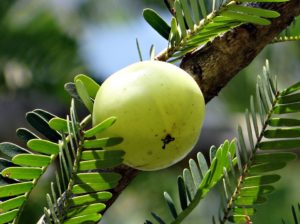
India Gooseberry also known as Amla is a very common fruit with various health benefits.It is extensively used as medicine in various Ayurvedic formulations like Triphala. It is also part of Indian cuisine in the form of chutneys,morabbas and pickles. I use amla to treat many ailments including  Chronic Inflammation

BENEFITS:

POTENT ANTIOXIDANT:

Gooseberries are high in phytochemicals, plant compounds with antioxidant properties that help fight off harmful free radicals in the body.  Free radicals cause oxidative damage to cells and even contribute to the development of chronic disease. It is high in phytochemicals like furosin, gallic acid, corilagin and quercetin  which are largely responsible for the health-promoting properties of gooseberries.

ENHANCES LIVER FUNCTION:

Studies have found that gooseberries could help enhance liver function and protect the health of this crucial organ. An animal study in 2013 found that treating diabetic rats with gooseberry extract increased antioxidant levels in the liver. Another review noted that amla,  has been shown to protect the liver against toxicity and even cancer in some animal studies.

REDUCES CHOLESTEROL:

Research shows that gooseberry could help reduce cholesterol levels in the blood, preventing the buildup of plaque and decreasing the risk of heart disease.

A study in the European Journal of Clinical Nutrition supplemented men 35–55 years old with Indian gooseberry for 28 days and found that they had significant decreases in cholesterol levels. Interestingly enough, two weeks after stopping supplementation, their cholesterol levels had risen back up to normal.

Another study in 2012 published in the Indian Journal of Pharmacology found that treating patients with gooseberry decreased levels of triglycerides and bad LDL cholesterol, increased levels of beneficial HDL cholesterol, and reduced blood pressure.

ANTI-CANCER AGENT:

One of the most impressive benefits of the gooseberry is its effect on cancer cells and ability to potentially prevent cancer.  A 2005 animal study conducted at the University of Rajasthan in India showed that treating mice with a concentrated dose of gooseberry extract decreased skin cancer tumor formation by 60 percent.

Another test-tube study from Thailand showed that gooseberry helped inhibit the growth of human lung, liver, breast, ovarian, cervical and colorectal cancer cells.

DECREASES INFLAMMATION:

Research has found that Indian gooseberry can help reduce inflammation. A test-tube study published in the British Journal of Nutrition showed that amla extract decreased the levels of pro-inflammatory markers in human cells.

The antioxidants found in amla may also help reduce inflammation by neutralizing free radicals and preventing oxidative damage to cells.

SKIN AND HAIR TONIC:

For centuries, gooseberries have been used to improve the health of skin and hair, and now several recent studies have confirmed these powerful benefits.

One study out of Japan, for instance, found that amla extract helped increased production of collagen the protein that is responsible for providing youthfulness and elasticity to the skin. Another animal study out of the Gill Heart Institute’s Division of Cardiovascular Medicine at the University of Kentucky found that Indian gooseberry extract helped speed up wound healing in rats. In terms of hair health,  applying amla oil to significantly increased growth of hair. Additionally, gooseberry is high in vitamin E, a nutrient that has been shown to protect the skin and enhance hair growth.

FOR GUT AND DIGESTIVE HEALTH:

Gooseberries contain gastroprotective effects and may help keep your digestive system working efficiently while preventing problems like gastric ulcers.An animal study in Phytomedicine reported that giving rats amla extract blocked the development of stomach lesions, decreased gastric secretions and protected against injury to the lining of the stomach. Another animal study had similar findings and noted that giving rats amla extract helped heal and protect against stomach ulcers.

IMPROVES COGNITIVE FUNCTIONS:

There has been some surprising benefits of amla and brain health.

A 2016 study, for instance, found that treating rats with gooseberry extract increased memory retention and antioxidant levels and also decreased levels of acetylcholinesterase, an enzyme associated with Alzheimer’s disease.

Another study combined gooseberry with heart-leaved moonseed and found that it improved measures of learning and memory in rats.

CONCLUSION:

All the amazing benefits listed above can be ours, if we consume amla on a regular basis. If fresh amla is not available, even amla powder can be cosumed on regular basis.The best part of it is that is very economical.

Consume on a regular basis.

Chronic Inflammation

Every month in my practice, I come across many people with conditions which are a result of chronic inflammation. So what is this chronic inflammation? First we should understand the term Inflammation.


Inflammation is a vital part of the body’s immune response. It is the body’s attempt to heal itself after an injury; defend itself against foreign invaders, such as viruses and bacteria; and repair damaged tissue. There are two types of inflammation: acute and chronic (systemic) inflammation. Acute inflammation  is short-term and the effects subside after a few days. Chronic inflammation, sometimes called systemic, low-grade inflammation, happens when the body sends an inflammatory response to a perceived internal threat that does not require an inflammatory response and  eventually  the  fighter cells start attacking internal organs or other necessary tissues and cells.

The above illustration depicts all the ailments which are due to chronic inflammation. The number of cases of Autoimmune conditions are increasing everyday. In the case of Arthritis, the body is in pain due to chronic inflammation.

CAUSES:

  • Chronic low-grade food allergies or food sensitivities
  • An imbalance of bacteria and fungi in your gastrointestinal tract, also known as dysbiosis. This causes our immune system to overreact to bacteria in your gut and can be without notable symptoms.
  • Stress: Constant psychological, emotional or physical stress raises the level of cortisol, creating inflammation.
  • Environmental toxicity from our air, water, food pollutants and toxic metals like mercury and lead all contribute to inflammation and have been linked to diseases as varied as endometriosis and cancer.
  • Diet and lifestyle: too much fat, sugar, and protein in your diet, constant dehydration, consumption of too many sodas or caffeine, inactivity, and lack of sleep can all increase inflammation in our body

SYMPTOMS:

  • Constant fatigue
  • High blood pressure
  • Ulcers
  • Irritable Bowel Syndrome (IBS)
  • Bloating
  • Acne
  • Flushing
  • Water retention
  • Food cravings
  • Binge eating
  • Diarrhea or constipation
  • Joint pain
  • Stiffness
  • Unexplainable weight gain

DETECTION:

Chronic inflammation can be measured by doing a test called C reactive protein. This gives us a good measure of inflammation in the body.

ANTI-INFLAMMATORY LIFESTYLE:

Diet plays an important role in reduction of inflammation. Eating a clean diet with lots of various coloured fruits and vegetables, whole grains, Beans and nuts and seeds are the foundation of healing.  A serving of green leafy vegetables everyday will bring a lot of changes. Berries like amla, acai and blue berries can reduce inflammation. A proper sleep cycle and regular exercise is imperative. Avoid sugar, fried foods and highly processed foods. Alcohol and Smoking can contribute to inflammation.

Turmeric, Ginger, Garlic, Tulsi, Boswellia are the best herbs for inflammation.

Bringing in a postive outlook to life and making the right choices in Diet and lifestyle is the only way to get out of the vicious cycle of inflammation.

PHOTO CREDIT: The school of modern herbal medicine.


Recipe: Amaranth Payasa

Payasa in kannada means kheer. We learnt about the benefits of Amaranth in the previous blog. This simple recipe can be made with limited ingredients and with ease.

INGREDIENTS:

Amaranth seeds- 1/4 cup
Milk- 1 cup (Alternate milks like Almond or Coconut milk can also be used)
Jaggery- 1/2 cup
Cardamom powder- 1 tsp
Cashew nuts- For garnishing
Rasins- 5-6
Ghee- 1 teaspoon

Servings: 1

DIRECTIONS:

Wash the amaranth seeds and soak for 2 hours. In a small pressure cooker add the soaked seeds and water in 1:3 ratio.
Pressure cook the grains until 3-4 whistles. On cooling add milk and jagerry and keep stirring till it forms an uniform mixture.
Once the payasa starts to boil remove from flame. The quantity of milk can be adjusted to desired consistency. Add the cardamom powder and stir.
Add the raisns and ghee before serving. Garnish with cashew nuts.

Try and give me your feedback.   Bon Appetit.

Amaranth Grain

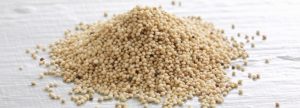
Amaranth belongs to the genera Amaranthus and is derived from the greek term ‘amarantos’ meaning ‘unwithering’. The  name matches the conditions in which this plant can thrive. This bountiful seed is grown all throughout India from the high slopes of the Himalayas to the many coastlines of the country. Numerous  Amaranth varieties are grown throughout the country, but the Himalaya region is know as the Amaranth ‘centre for diversity’ for the number of varieties that grow in the region. This crop is also a native species to the Andean region of South America, including Argentina, Peru and Bolivia.

The leaves and seeds are consumed in India. It is called by different names Ramdana/Rajgeera/Dantu beeja/Chaulai beej etc.

NUTRITION:

One cup, amaranth contains 251 calories and just 4 g of fat –- none of which is saturated. It offers 29 percent of the recommended dietary allowance for iron, based on a 2,000 calorie diet, and 12 percent for calcium. It is high in magnesium, with 40 percent of the RDA, and 36 percent of the RDA of phosphorus. A cup of amaranth also offers 105 percent of the RDA for manganese which functions as an antioxidant and plays a role in energy metabolism, bone health and wound healing.

Source of Fibre.

Amaranth is a good source of both carbs and fiber. One cup  of the cooked grain contains 46 grams of carbs and 5 grams of fiber. The fiber in amaranth may also help with weight control. Fiber in food increases satiety and helps control hunger.

Complete protein.

One cup of cooked amaranth contains 9 grams of protein. Unlike other grains, amaranth is a complete source of protein, which means it contains all of the essential amino acids — just as meats and poultry do. Grains do not contain the amino acid lysine making them incomplete.

Micronutrients.

Amaranth is a good source of a number of essential vitamins and minerals that you need for good health, including B vitamins, calcium, iron and zinc. The B vitamins help our body turn the food you eat into energy, as well as make blood cells. As a good source of calcium, amaranth helps keep our bones and teeth healthy and strong. The iron in the grain assists with the transportation of oxygen throughout our body, and the zinc helps our body heal cuts.

USES:

Amaranth is a versatile Gluten Free psuedo grain. It can be used in multiple ways. Using the whole grain instead of rice in pulaos and daily purposes is the most easiest. Amaranth flour,puffed amaranth can be used to make many dishes. It is a no brainer that we should incorporate this superfood in our diets as much as we can.

WAIT FOR THE RECIPE IN THE NEXT BLOG

Intermittent Fasting

Intermittent Fasting is all over the web world in recent times. Research indicates it has immense benefits in the total well being of the person. Indians are not new to fasting. People have fasted due to religious beleifs all through history. Additionally people daily created a fasting window of 12-14 hours on a regular basis(early dinner).I dont have to reiterate  that they were better  practices. Numerous studies on fasting have proven what our ancestors followed routinely.


Intermittent fasting (or “IF”) is an eating pattern where we cycle between periods of eating and fasting. It is a very popular health and fitness trend, with research to back it up.

TYPES:

The most common types of intermittent fasting include:

  • Alternate-Day Fasting:  This entails eating only every other day. On fast days, some eat no food at all and others eat a very small amount, typically around 500 calories.
  • The Warrior Diet: This diet involves eating only fruits and vegetables during the day and then eating one large meal at night.
  • Leangains:  In this method, fasting is for 14- 16 hours a day and limiting eating  period to 8-10 hours. So if we finish dinner by 7pm breakfast would be at 9am or 11am.
  • Eat-Stop-Eat: Fasting one or two days out of the week  for 24 hours, eating nothing from dinner one day until dinner the next day. On the other days, eating normally.
  • 5:2 Diet:  Restricting   calorie intake to between 500–600 calories for two days in a week, rest of the five days normal eating pattern.

BENEFITS:

The main health benefits of intermittent fasting:

  • Weight loss: Intermittent fasting can help you lose weight and belly fat, without having to consciously restrict calories.
  • Insulin resistance: Intermittent fasting can reduce insulin resistance, lowering blood sugar by 3-6% and fasting insulin levels by 20-31%. This should protect against type 2 diabetes.
  • Inflammation: Some studies show reductions in markers of inflammation, a key driver of many chronic diseases.
  • Heart health: Intermittent fasting may reduce LDL cholesterol, blood triglycerides, inflammatory markers, blood sugar and insulin resistance.
  • Cancer: Animal studies suggest that intermittent fasting may help prevent cancer.
  • Brain health: Intermittent fasting increases a brain hormone called BDNF, and may aid the growth of new nerve cells. It may also protect against Alzheimer’s disease
  • Anti-aging: Intermittent fasting can extend lifespan in rats. Studies showed that fasted rats live as much as 36-83% longer.

 CAUTION:

Fasting is not for everyone. People with diabetes,  low blood pressure, are underweight,have a history of eating disorders, women who are trying to conceive, pregnant or breastfeeding and kids should not attempt without consulting their medical practitioner.

ACTION PLAN:

There is no need to follow a structured intermittent fasting plan to derive at least some of the benefits.I recommend that you experiment with various types and find something that you enjoy and fits your schedule. I personally prefer the 24 hour fast. This resets my occasional cravings and clears my head wonderfully.

Start with a 12 hour gap everyday. If your dinner is at 8pm then do not eat or drink any caloric food till 8am next morning. Not even coffee or tea with milk. You can have non caloric beverages like green tea/black coffee/any infusion tea  and plain water in the fast period. This can be followed by everyone safely.

Fast Food-The brain connection

Everyday when I travel for work, I find parents  providing young toddlers with convinience foods. Its so rampant that kids are always munching on cookies, pastries, chips and the likes. I am appalled that people do not consider those foods to be harmful.

Fast foods are characterized as quick, easily accessible and cheap alternatives to home-cooked meals, according to the National Institutes of Health (NIH). They also tend to be high in fat, sugar, salt and calories.

Food industry giants aggressively market their products with attractive packaging and strategic placements thereby getting people hooked. Special chemicals which enhance flavour are added to keep the consumer addicted to the psuedo food products.

HEALTH RISKS:

We are all aware that fast and processed foods can harm our physical health, leading to diabetes and obesity, as well as premature cardiac death, cancer, strokes, and more.

But these foods are also altering  our brain and our mental health – fueling depression, mental illness, and other issues.

According to a study published in the Public Health Journal, people who eat fast foods are 51% more likely to develop depression compared to those who eat little or no fast food. And this finding was for people who only consumed two servings of fast food a week.

Another study published in the Journal of Adolescence Health found that eating just one serving of French fries per week during adolescence increased women’s breast cancer risk later in life by 27%.

And a study published in Circulation found that eating fast food one time per week increased the risk of dying from coronary heart disease by 20% — a risk that grew to 50% for people eating fast food two or three times per week.

Other documented impacts from these foods include, Brain fog, Mood swings, Anxiety,Violence and Aggression. And for kids who eat fast food and processed foods, the situation may be even worse. Children are also developing habits and tastes that will affect them as they become adults. If kids eat fast foods often, it will  be harder for them to break those patterns later in life. And childhood eating habits have far-reaching consequences.

It is critical to note that, a weekly consumption of junk food can also have a cascading effect on our future. Children and Adults alike consume copious amounts of fast food on a daily basis. The current surge in the number of Autism spectrum disorders also are linked to poor dietary habits.

ACTION PLAN

Getting educated about the negative consequences of consuming junk foods can help us in tackling the beast. It is never late to start making healthy choices. We can also influence others by abstaining from eating the wrong foods. We just have to remember that change starts from an individual. Start a 21 day  JUNK FREE Journey. The changes in the body and mind will be self evident.


Can we remove pesticides from vegetables and fruits?

Everyday we read about the presence of pesticides on the fruits and vegetables we consume on a daily basis. According to the Centre for Science and Environment (CSE), “high levels of pesticide residues can be toxic enough to cause long-term cancer, damage to the nervous and reproductive systems, birth defects, and severe disruption of the immune system.” It is a constant struggle to procure and store good quality produce to many of us. Eating Organic foods is a good step,but with many limitations. Availability of organic fruits and vegetables to everyone is still a major problem and the affordability of the produce is also a point of contention.

As a nutritionist, I always recommend the consumption of a large quantity of vegetables and fruits. So how do we minimise if not eliminate the pesticides present on the surface of the produce?

How to wash the fresh produce?

Wash the produce by rinsing it under cold, running water. Almost 75 to 80 percent of pesticide residues are removed by cold water washing. But several liquids have been shown to be more effective than plain water. Those are Salt water, Vinegar water, or Baking soda water.

Salt water:

Salt water is one of the easiest and most cost-effective ways to remove certain pesticides.According to the CSE, washing them with 2% of salt water will remove most of the contact pesticide residues that normally appear on the surface of the vegetables and fruits. Another group of US scientists recommend a 10% salt solution being the most effective, and far more so than washing with plain water.

Vinegar water:

Full-strength vinegar was found to be equally as effective. But using vinegar would get quite expensive and would leave foods with an unwelcome vinegary flavor, making it less than ideal for a daily vegetable wash.

Baking Soda water:

A recent study published in the Journal of Agricultural and Food Chemistry showed the effectiveness of Baking soda solution. This study compared the effectiveness of plain water, a Clorox bleach solution, and a baking soda and water solution.the baking soda solution was found to be most effective at removing pesticide residues both on the surface and beneath the skin of apples.The baking soda solution used in the study was very weak – a mix of around 30g of baking soda mixed with 3 litres of water. And it took 12 to 15 minutes of soaking to completely remove the pesticides.

Washing Method:

Add a teaspoon of baking soda to a large bowl. Soak the produce in the solution for 5 minutes.. We can use a scrubber to remove dirt. Rinse it with running water for atleast 30 seconds.

Simple method of washing, using the baking soda solution can ensure  pesticide removal to a large extent. So what are you waiting for, grab baking soda from your grocer today.


Fatty Liver-Should we be worried?

There has been an alarming rise, in the number of Fatty liver cases in recent times in India. Findings suggest that, 1 in 5 people have excess fat in the liver and 1 in 10 have liver disease. A recent paper published in Indian Pediatrics showed that 22% of  children between ages 5-10 had fatty liver. That might not be the same demographically across the country, but it should send warning bells to all parents.

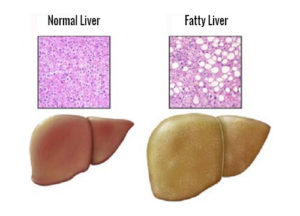
Fatty liver, or Hepatic steatosis, is a term that describes the buildup of fat in the liver. It is normal to have some fat in our liver, but too much can become a health problem. 

There are two major types of fatty liver disease — Alcohol-induced and Non-alcoholic fatty liver disease(NAFLD). Fatty liver  is one of the leading contributors to liver failure. Nonalcoholic fatty liver disease is most commonly diagnosed in those who are obese or sedentary and those who eat a highly processed diet. A fatty liver is reversible in its early stages if the underlying causes are eliminated, but continued injury can ultimately cause progression to NASH, cirrhosis, and liver cancer.

SYMPTOMS

NAFLD shows no symtoms( asymptomatic) in the early stages. As the disease progresses, fatigue, nausea,loss of appetite and abdominal pain are the earliest symptoms. As NASH progresses to liver cirrhosis, classic symptoms of liver insufficiency can occur: swelling of the legs and abdomen, confusion, muscle wasting, etc.

CAUSES

The two main causes of NAFLD are poor diet and sedentary lifestyle. NAFLD goes hand in hand with Obesity and Diabetes. People with high blood lipids(Hyperlipidemia),Hypertension are also prone. Some Indians are also genetically predisposed to NAFLD.

DIAGNOSIS

A physical exam from the physician can reveal the presence of fatty liver. Imaging tests such as Ultrasound, CAT scan, and MRI can diagnose later stage NAFLD, but they are insensitive in detecting early disease. Simple liver function tests, such as AST, ALT, INR, and GGT, can be slightly elevated.

TREATMENT

The primary treatment for NAFLD is lifestyle modification. Eating a balanced diet, with emphasis on whole foods and increasing one’s physical activity all help in reversing fatty liver.

Protecting our liver is one of the best ways to prevent fatty liver and its complications. Awareness about the magnitude of the problem which we face, is the first step in the right direction.

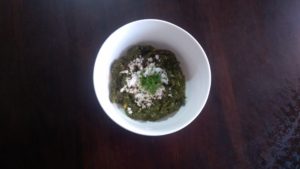
Dill Recipe– Sabsige Palya

Dill leaves can be used in a variety of recipes.It can be added in rotis and also as a seasoning. In Karnataka we make a side dish of it called Sabsige palya with arhar dal. It is very tasty and easy to make.

Ingredients:

100g dill leaves, 1/2 cup cooked Arhar dal, 1 tablespoon coconut(optional),1/2 teaspoon mustard seeds,1 teaspoon chanadal, 1 teaspoon rasam powder or green chilli, pinch of hing,1 teaspoon cold pressed oil, salt to taste,lemon juice to taste.

Servings: 1

Method: 

Clean the dill leaves by seperating out the thin and tender stems and discarding the thick ones.Rinse it in running water, and chop them finely. Keep aside.Heat oil in a pan, add the mustard seeds, chana dal let it splutter.Add hing. Stir and add green chillies if you are using them.

Add the dill leaves, mix and cook well with limited water with a covered lid. Season with salt once the leaves are cooked. Add the cooked dal and  rasam powder and sautee for a few moments. Turn off the flame. Add the coconut and lime juice. Serve with steamed rice or phulkas.