
Acanthosis Nigricans

Sunita brought her son Raj to me as he had develpoed thick skin pigmentation around his neck and armpits. She wanted to know which specialist to consult as the pigmentation off late had become very itchy. After examination, I told her it seemed to be Acanthosis nigricans and the most likely reason would be Insulin resistance or Prediabetes. The  kid was 12 years old and Sunita refused to believe me. She went to a skin specialist who confirmed my diagnosis.The boy had to change his lifestyle and lose weight to overcome the skin problem.

What is this skin problem?

Acanthosis nigricans is one of the skin conditions that can make the skin in certain areas of the body look extremely dark and texturized. It is characterized by the presence of hyperpigmented skin in the body’s natural folds such as the neck, underarms, inside the elbow, behind the knees, navel, groin, etc. At times, the skin on the forehead and the face can also be affected by it.

Acanthosis nigricans may be a sign of a more serious health problem, such as prediabetes. The most effective treatments focus on finding and resolving medical conditions at the root of the problem. These skin patches tend to disappear after successfully treating the root condition.

This is seen in about 15-20% of the Indian population with people having diabetes having a high incidence rate of above 60% of acquiring this skin disorder. Children who develop acanthosis nigricans are at a higher risk of developing type 2 diabetes later in life.

Causes:

Acanthosis nigricans skin patches occur when epidermal skin cells begin to reproduce rapidly.  It is a symptom of many problems within. There are many underlying causes.

High Insulin:

Abnormal production of the hormone Insulin due to frequent triggers, develops into a condition called Insulin resistance. Although the pancreas constantly produces insulin, the body cannot use it properly. This creates a buildup of glucose in the bloodstream, which  results in high levels of both blood glucose and insulin in our bloodstream.Excess insulin causes normal skin cells to reproduce at a rapid rate. For those with dark skin, these new cells have more melanin. This increase in melanin produces a patch of skin that is darker than the skin surrounding it. Thus, the presence of Acanthosis nigricans is a strong predictor of future diabetes.

Medications:

Medications like niacin, birth control pills,  some bodybuilding supplements, and corticosteroids can lead to acanthosis nigricans.

Hormonal imbalance:

Acanthosis nigricans is also commonly seen in people who have an underlying issue that leads to a hormonal imbalance, such as thyroid problem, PCOS, and disorders of the adrenal glands or pituitary gland.

Cancer:

Cancer of the stomach, liver or colon can cause acanthosis nigricans patches to develop very quickly.

Diagnosis:

Precise examination of the affected parts by a qualified medical practioner is important for a confirmed diagnosis. The doctor  would check for diabetes or insulin resistance as the cause. These tests may include blood glucose tests or fasting insulin tests. In rare cases a skin biopsy  to rule out other possible causes is performed.

Treatment:

Depending on the underlying cause,  different courses for acanthosis nigricans treatment are undertaken.

  • Losing weight
  • Eating healthy
  • Medications to bring blood sugar under control
  • Replacing medications that are triggering acanthosis
  • Relevant treatment for hormonal issues

Once the underlying cause is brought under control, the dark patches formed  fade away to a great extent. But, this form of treatment can take a while to show results. For instant results, cosmetic therapies can be opted for in conjunction with the medical treatment.

Conclusion:

We should take this skin pigmentation disorder seriously as in most cases it is an indication of something more serious happening within the body. It is a reminder to us that something is wrong internally and needs correction.

What should we eat??

I recieved an interesting query from Ryan the other day. He was a 25 year old healthy person who sent me a query asking what he should eat for leading a healthy life. I was thoroughly intrigued by the level of confusion this young chap had. Then it struck me, that if we open any magazine or visit the web, we are bombarded with the latest Fad diet in town excluding a certain group of foods to look like a greek god or the famous heroine. Looks have taken  precedence over the  health of the body.
There are proclamations of body transformations by following diets like Ketogenic OR Low Carb High Fat OR  Paleo OR High carbohydrate OR High protein plans. Every follower feels his dietary method is supreme to the other and the rest is all nonsense. There are self proclaimed diet gurus who have transformed their bodies using a particular regimen and they juxtapose the same principle on the general population. People are seen jumping from one fad to the other and still remaining the same way as they started. These have also given birth to parallel industries, providing the so calledgood foods. Every day, I come across weird phobias like fear of Rotis, Fruits, Rice, Beans, Carbs(people do not even know what they structurally mean). When I recommend a normal plan to people, they are skeptical whether it would work for them or was I from a different planet.

Rewind two decades ago, there were hardly any diet clinics and slimming centres. People were more content with what they ate and had less chronic ailments. We  nutritionists, had jobs only at hospitals or colleges. I had never thought about personal one on one counselling for losing weight, when I started my career. But now I have a 10 year old with type 2 diabetes taking plans from me.

What should we eat??

Given the  above  confusing scenario what should be our food choices. Base your choices on  good eating principles.

Eat Whole:

Whole foods like whole grains, beans, vegetables and fruits, nuts and seeds good quality meat and dairy  provide us with all the nutrients for survival.

Eat local:

Eat locally available whole foods. Food which travels long distances generally is devoid off nutrients.

Eat Sustainably: 

Each person has a unique physiological requirement for nutrients. Foods should reflect the  Geographical availability, Economic feasibility and long term sustainability. If the diet you chose to follow is very restrictive, it will not be sustainable on the long run. This is the main reason 90% dieters gain back all the weight they lose.

Epidemiological Evidence:

We should always examine if the current diet trend was followed by populations(our ancestors) residing in that particular geographical area. Every region has a unique nutrient set in the foods available.

Foods we grew up on:

Our body’s inner wisdom recognises the first food we were intoduced to. We thrive best on the whole foods which were introduced when we grew up.

What not to eat??

This is very clear. Say no to processed foods. Eat mainly home cooked whole foods with emphasis on Vegetables, Fruits, Nuts and Seeds, Beans and Unprocessed grains.

Conclusion:

We must always remember that, we are consumers. If everything about nutrition becomes clear then there is no need for diet books, diet foods and allied industries feeding the fad. The players in this multi crore Diet Industry will always want us to remain CONFUSED. So as Discerning consumers we should take the right call and not get into quick fixes and stick to good old Science(which can also be twisted to suit the individual beliefs). The ball is in our court.

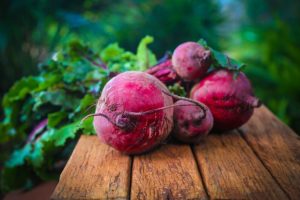
Befriend The Beet

Ramya’s latest blood reports showed her haemoglobin to be very low. But we had a problem. The iron supplementation caused excessive constipation in her. So she did not want to take it. Also since she was a vegetarian, we could not incorporate red meat. I started  her on beetroot juice and within a month her iron levels normalised. Something as simple as this is not prescribed to patients. Anemia is a major concern in women of all age groups. Beet roots and leaves are superfoods in thier own right.

Beetroot or Beta vulgaris belongs to the family  Chenopodiaceae. They are frequently added as an ingredient to salads, soups, and pickles and are also used as a natural coloring agent.  Beets are available throughout the year and can be eaten regularly.

Nutritional Profile:

Beet roots are an excellent source of folate, fiber, potassium and manganese and a good source of vitamins C and B6, magnesium and iron. A 100-gram serving of raw beet root, or about 2/3 cup, provides approximately 43 calories, 1.6 grams of protein, very little fat and 9.56 grams of carbohydrates, of which almost 3 grams are fiber and 6.8 grams are naturally occurring sugars, according to the USDA.

Beet greens are rich in fiber, potassium, copper, calcium, iron, thiamine, riboflavin and vitamins A, C, K, E and B6. They’re also a good source of folate, niacin, zinc and phosphorus. A 100-gram serving of raw beet greens, or about 3 leaves, provides 22 calories, 2.2 grams of protein, very little fat and 4.3 grams of carbohydrates, of which 3.7 grams are fiber and half a gram is sugar.

Benefits:

Although beet roots have the highest sugar content of all vegetables, most people can safely eat beet roots a few times a week (and their greens in unlimited quantities). Thereby enjoying not only their sweet, earthy flavor but also their powerhouse nutrients that may improve our health in the following ways.

Lowers blood pressure:

Nitrate occurs naturally in beetroots which are converted into Nitric Oxide inside the body. Nitric oxide, in turn, helps to relax and dilate the blood vessels, improving blood flow and lowering blood pressure.

Improves Athletic performance:

A study  published in the journal Circulation: Heart Failure in September 2015, showed that 140 ml — about two-thirds of a cup — of concentrated beet juice,  instantaneously  increased in  muscle capacity by an average of 13 percent.

Beetroot can increase the oxygen-carrying capacity of the blood and has also been found to reduce the amount of oxygen that muscles require in order to function optimally.

Consuming beetroot will increase energy, endurance and performance.

Lowers Inflammation:

 Beet roots are a unique source of Betaine, a nutrient that helps protects cells, proteins, and enzymes from environmental stress. It is also known to help fight inflammation, protect internal organs, improve vascular risk factors, enhance performance, and likely help prevent numerous chronic diseases.

Cancer Protection:

The powerful phytonutrients Betalins that give beets their deep red colour may help us keep cancer at bay.  Research has shown that beetroot extract reduced multi-organ tumor formations in various animal models when administered in drinking water, for instance, while beetroot extract is also being studied for use in treating human pancreatic, breast, and prostate cancers.

Rich in Folic Acid:

Folic acid or Vitamin B9 is a an important vitamin during pregnanacy and lactation. Even in pre pregnanacy its ideal to eat high folate rich foods like beetroot,spinach,lentils and chickpea. Folate deficiency can lead to anemia.

Detoxification:

Betalin pigments in beet roots support  detoxification and help in purifying our blood and  liver.

Usage:

Beet root and its leaves are versatile and can be used in multiple ways.

Make a fresh juice with cucumber,coriander and lemon juice.

Make into a soup.

Use in salads.(Shredded beet roots can be used in salads. Even diabetics can add into thier salads contrary to belief that they are sweet)

Can be made into a side dish as well.

After Effects:

Certain after effects may occur when beetroot is consumed in large quantities.

Coloured urine and stool:

It has been found that large doses of betalain in our system can influence the color of urine and make it appear pink in color. This effect is more likely to occur in individuals with iron deficiency. This condition is known as Beeturia. This can be mistaken for blood in urine or blood in stool.

Dip in blood pressure:

People who suffer from hypotension or low blood pressure should use beetroot with caution as it can lower blood pressure very dramatically.

Kidney Stones:

Due to high amount of oxalates in beetroot, people suffering from kidney oxalate stones should refrain from eating beetroot.

Stomach distress:

In some people raw consumption of beetroot may cause stomach upset.

How much to consume?

For most people 250g serving size(around two medium beetroots) consumed two to three times a week is beneficial. If you suffer from the above listed conditions then you have to take medical advice. Do not exceed the amount. People generally overdo it when they are juicing.

Conclusion:

When used judiciously, beet root and its leaves are power houses of nutrients. It is available easily accross the country and hence can be incorporated in our regular diets.

Chew well for a trim waistline

If you have come across Paul Mckenna’s book ” I can make you thin”,  then you will understand that I am not exzazerating the title statement. His primary pillar of becoming thin is chewing the food as slowly as possible. He made millions of dollars from the book proceeds and I am communicating the scientific reason for free. But are you listening?
Traditional Indian system of sitting down  crosslegged and chewing food atleast 32 times per bite.(we finish the whole roti or sandwich in 10 bites or less), probably kept our ancestors fit and long living. Scientists have come to the same conclusion.

In the January 2014 issue of Journal of the Academy of Nutrition and Dietetics, Researchers found that we may consume fewer calories over the course of a meal when we eat slowly and chew well. This study was different in that not only did it compare energy intake with eating speed, but it separated subjects into two groups: “normal weight” and overweight/obese. Both groups consumed fewer calories during the meal when they ate slowly, but for the normal weight group, the difference was greater. The normal weight group consumed 88 fewer calories during the slow meal, and the overweight group consumed 58 fewer calories.

Another study  in the November 2013 issue of the same journal had similar findings namely, increasing the number of chews before swallowing reduced food consumption in adults of all body sizes. An additional finding was that normal-weight people tend to chew more slowly in general than those who are overweight or obese.

Importance of Chewing:

Chewing is the first step in the digestion process.The physical process of chewing food in our mouth helps to break down larger particles of food into smaller particles is called mastication. This helps to reduce stress on the oesophagus and helps the stomach metabolize our food.  When we chew each mouthful properly, our body releases saliva, which contains digestive enzymes.  As we release these enzymes into the throat and stomach, we further improve the digestive process.  Throughout the chewing process, the body undergoes several processes that trigger digestion.

Scientists have known for some time, that the brain  receives a series of signals from digestive hormones secreted by the gastrointestinal tract.Stretch receptors in the stomach are activated as it fills with food or water; these signal the brain directly through the vagus nerve that connects gut and brainstem. Hormonal signals are released as partially digested food enters the small intestine. One example is cholecystokinin (CCK), released by the intestines in response to food consumed during a meal. Another hormone, leptin, produced by fat cells, is an adiposity signal that communicates with the brain about long-range needs and satiety, based on the body’s energy stores. Research suggests that leptin amplifies the CCK signals, to enhance the feeling of fullness. Other research suggests that leptin also interacts with the neurotransmitter dopamine in the brain to produce a feeling of pleasure after eating. The theory is that, by eating too quickly, people may not give this intricate hormonal cross-talk system enough time to work.

Benefits of Chewing:

Generates vital signals:

Chewing sends vital signals to our body to start preparing for digestion; chewing starts the secretion of hormones, activates taste receptors, prepares our stomach lining for secretion of hydrochloric acid, and prepares the pancreas for secretion of enzymes and bicarbonate. Thus it helps in the movement of food through the digestive tract.

Relaxes the lower stomach:

Our lower stomach needs to relax before food can be channeled to the intestines.  Chewing relaxes pylorus a muscle present in the lower stomach. Releasing saliva helps to relax the lower stomach and also speeds up the digestive process.

Reduces the risk of bacterial overgrowth:

Food particles that are not broken down properly can cause bacterial overgrowth in the colon which leads to indigestion, bloating and constipation. No wonder so many of us suffer from digestive issues.

Increases Dental health:

Chewing strengthens our teeth and jaw, and helps prevent plaque buildup and tooth decay.

Greater absorption of nutrients:

According to Dr Richard Mattes, ”Particle size [affects the] bioaccessibility of the energy of the food that is being consumed. The more we chew, the less is lost and more is retained in the body.”

Maintaining ideal body weight:

The process of chewing initiates signals which help in controlling portions and thereby initiating satiety. It generally takes 20 minutes for the brain to send a signal to the stomach. If we eat fast without chewing properly, we generally tend to eat more.

Healthy eating practices:

Slow eating with emphasis on chewing at least each bite 10-15 times. Many people recommend even more, but start with 10 times is a good amount. We sholud liquify the food in the mouth before swallowing.

Concentrating on the food rather than watching  TV,  Reading, Talking etc.

Connecting the stomach with mind, so that we can react to the signals sent by the body. This also destresses the mind and makes eating more enjoyable.

Eating in silence.

BON APPETIT


Hashimoto’s Thyroiditis

Gunjan came to me with the following symptoms constipation, weight gain,depression,hair loss. Her morale was very low. She complained that she puts on weight even if she drinks water. Sounds familiar? When we got to the bottom of her problem,we found out that she had Hashimoto’s. The number of people with  hashimoto’s are growing in India.

What is Hashimoto’s Thyroiditis?

Hashimoto’s thyroiditis, also known as chronic lymphocytic thyroiditis and Hashimoto’s disease, is an autoimmune disease in which the thyroid gland is gradually destroyed. It was first described by the Japanese physician Hakaru Hashimoto in 1912. In 1957 it was recognized as an autoimmune disorder.

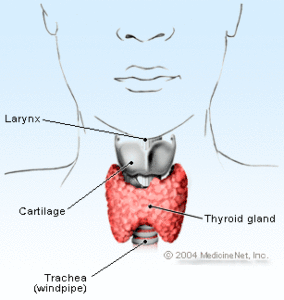
The thyroid is a butterfly-shaped gland attached to the front of the windpipe. It’s a part of the endocrine system, which is responsible for producing, storing, and using hormones.The thyroid is responsible for regulating metabolism, growth, temperature, and energy, so it is very important to keep thyroid hormones in balance.

Hashimoto’s is believed to be the most common cause of primary hypothyroidism in North America as a cause of non-endemic goiter, it is among the most common. It occurs between eight and fifteen times more often in women than in men. Though it may occur at any age, including in children, it is most often observed in women between 30 and 60 years of age.

In India too, there is a significant burden of thyroid diseases. According to a projection from various studies on thyroid disease, it has been estimated that about 42 million people in India suffer from thyroid diseases. Among that number, a majority can be due to Hashimoto’s. We do not have a large study which can give us a better picture.

Difference between Hashimoto’s and Hypothyroidism:
  • Generally speaking, Hashimoto’s thyroiditis is a disease, and hypothyroidism is a condition that happens as the result of a disease.
  • Hashimoto’s disease occurs when white blood cells attack the thyroid and slow it down(hence called autoimmune disease). Hypothyroidism develops when the thyroid isn’t able to produce enough thyroid hormone.
Symptoms:

Symptoms of Hashimoto’s are similar to that of hypothyroidism:

  • Fatigue and sluggishness
  • Increased sensitivity to cold
  • Constipation
  • Pale, dry skin
  • A puffy face
  • Hoarse voice
  • Unexplained weight gain
  • Muscle aches, tenderness and stiffness
  • Hives
  • Pain and stiffness in joints and swelling in knees or the small joints inhands and feet
  • Muscle weakness, especially in lower extremities
  • Excessive or prolonged menstrual bleeding (menorrhagia)
  • Depression, etc.
Root Causes and Risk Factors:

Any Autoimmune condition is multifactorial. The same holds good in this case as well. Genetics, our diet, environmental influences, stress, our hormone levels and immunological factors are all factors contributing to Hashimoto’s. So just popping a pill is not an answer.

Risk factors include having a previous autoimmune condition like arthritis, Smoking, Long term stress and trauma,Eating disorders and Excessive exercise.

Diagnosis:

Testing for Thyroid-stimulating hormone (TSH), free T3, free T4, and the anti-thyroglobulin antibodies (anti-Tg), anti-thyroid peroxidase antibodies (anti-TPO, or TPOAb) and anti-microsomal antibodies can help obtain an accurate diagnosis.

Treatment:

Conventional treatment proposes taking medications, such as the synthetic thyroid hormone called levothyroxine. Sometimes surgery is needed if the disease progresses enough.These treatments don’t solve the underlying problems that are causing autoimmune reactions to happen in the first place. Medications are often not a cure-all and if we do decide to use thyroid medications such as synthetic hormones or steroids, chances are we will need them for the rest of our lives.

Natural treatments:

There are many holistic methods to reduce inflammation in the body. These address the root causes.

Heal the Gut: 

Removing inflammatory foods to heal the gut is the first step. Eliminate gluten and dairy from the diet. With many of my clients this protocol has worked. Eat lots of whole foods with emphasis on lots of vegetables,fruits and seeds.

Probiotics:

Incorporate probiotics like fermented foods in the diet.

Eliminate Processed foods:

Fast foods predominantly provide empty calories with very high concentration of salt, refined sugars and bad fats. They are laden with harmful additives which messes with our harmonal balance.

Maintaining Vitamin D levels:

A normal Vitamin D level is very important in maintaining hormonal homeostasis.

Minerals:

Zinc, Selenium and Iodine levels have to be optimised.

Omega 3 foods:

These are anti inflammatory in nature. Incorporate spirulina, seaweeds,walnuts,fish and flaxseeds in the diet.

Stress Elimination:

Studies have found that a high proportion (up to 80 percent!) of patients with autoimmune symptoms report uncommon emotional stress before disease onset. Stress can trigger alterations in the production of neuroendocrine hormones and contribute to immune dysfunction by increasing cytokine production. Doctors are now warning patients that stress management should be considered in all multidimensional treatment approaches to resolving underlying causes of Hashimoto’s disease and other disorders (like other thyroid disorders and rheumatoid arthritis).

Meditation,taking detox baths and massages, regularly doing adaptive exercises (like barre, yoga, Pilates and weight-training), reading spiritual growth books, spending time outdoors, music therapy and fostering good relationships are all proven in stress reduction.

Conclusion:

There has been a sudden increase in the number of Thyroid cases in the past decade.Majority of them is due to faulty lifestyles and not having any genetic predisposition. We should address the overall problem and not just pop a pill.

Blue Zones

From times immemorial, man has always sought longevity. Who does not want to live a healthy and long life? There are innumerable procedures and supplements which promise the fountain of youth but fizzle away when it comes to actual results. The euphoria of modern day health achievements in communicable diesases is fading as the modern plague of non-communicable disorders like Obesity, Chronic disorders and Cancer have grown exponentially in modern times.

What if i tell you that Longevity exists among us in different pockets of earth? These geographical pockets are called Blue Zones. Here people live longer and healthier than anywhere else on earth. Several of these blue zones exist, and in each of these places people living to 90 or even 100 years is common. And they are not just living long either—these people are living healthy—without medication or disability.The word Blue Zone was first used by the author Dan Buettner, who was studying areas of the world in which people live exceptionally long lives.

Five blue zones have so far been identified and thoroughly researched by journalist Dan Buettner in a partnership with National Geographic during more than five years of on-site investigation.

The five blue zones are as follows:

  • The Italian island of Sardinia
  • Okinawa, Japan
  • Loma Linda, California
  • Costa Rica’s isolated Nicoya Peninsula
  • Ikaria, an isolated Greek island

There may be unidentified areas in the world that could also be Blue Zones. We have not stumbeled upon it as of now. We believed for a long time that longevity was a genetic trait. But Epi genetics clearly shows that is not true. Environmental influences, including diet and lifestyle, play a huge role in determining our lifespan.

FACTORS RESPONSIBLE FOR LONGEVITY:

Buettner identified certain common factots pertaining to their Diet and Lifestyle which are common to all blue zones.

Plant based diets:

One thing common to Blue Zones is that those who live there primarily eat a 95% plant-based diet. Although most groups are not strict vegetarians, they only tend to eat animal products around five times a month. Diets in the Blue Zones are typically rich in Vegetables, Beans, Nuts and Seeds, Whole grains all of which can help reduce the risk of death.

Mindful eating and Fasting:

Eating mindfully regulates the calorie intake according to body’s requirements.

Okinawans tend to follow the 80% rule, which they call “hara hachi bu.” This means that they stop eating when they feel 80% full, rather than 100% full.This prevents them from eating too many calories, which can lead to weight gain and chronic disease.A number of studies have also shown that eating slowly can reduce hunger and increase feelings of fullness, compared to eating rapidly.

Fasting intermittently is also common in the blue zones.

Periodic fasting appears to be beneficial for health.For example, Icarians are typically Greek Orthodox Christians, a religious group that has many periods of fasting for religious holidays throughout the year.

Movement:

In the Blue Zones, people don’t exercise purposefully by setting aside a particular exercise hour Instead, it is built into their daily lives through gardening, walking, cooking and other daily chores. A study of men in the Sardinian Blue Zone found that their longer life was associated with raising farm animals, living on steeper slopes in the mountains and walking longer distances to work. Constant movement throughout the day seems to be the key for longevity.

Sleep:

People in Blue Zones get sufficient sleep. Seven hours of sleep at night and naps of no more than 30 minutes during the day may help reduce the risk of heart disease and death.

Living in a tribe:

In many Blue Zones, grandparents often live with their families. Studies have shown that grandparents who look after their grandchildren have a lower risk of death.

Stress reduction:

Blue zone inhabitants apply many rituals to de-stress on a regular basis like Loma Linda  people turn to prayer, Ikarians nap, while Sardinians rely on food and drink.

Purposeful living:

People who live with a purpose in mind always tend to live longer. The positive outlook protects them psychologically. It is called “ikigai” in Okinawa or “plan de vida” in Nicoya.

Spiritual:

Blue Zones are typically spiritual communities. A number of studies have shown that being religious is associated with a lower risk of death. This may be due to social support and reduced rates of depression.

For more information log on to Buettner’s website, aptly named bluezones.com, which is an entire site dedicated to revealing Buettner’s findings and posting daily developments in the field.

MY TAKE:

When I look at the common factors which enable the blue zones to lead long and healthy lives, I am perplexed. If we rewind 30 to 40 years back many people around us actually lived by the the factors listed above. They lived to their 90s with great health and vitality. You must have witnessed the same with relations near you. The tsunami of chronic diseases is a recent phenomenon when we have adopted a processed diet and fast paced lifestyle.

IT IS TIME TO GET BACK TO OUR ROOTS.


Watch For These Toxins In Processed Foods

My 4 year old neighbor is a sweet child. From the outside he is a normal child, but when you take a look at his eating habits he is already an ADDICT. I mean processed food addiction. Every day his diet consists of colas, some kind of biscuits,cakes,chips,candies etc. He always holds an attractive cover(pre requisite in any processed food to attract kids and adults alike) in his hands atleast three times a day. The worst part is the adults around him do not mind it at all. For me its a horrendous act. He throw tantrums if he does not get them.

I am sure you must have seen many examples like the above everywhere around you. What pains me is, what will happen if he grows up like this and what about his health. If you eat processed foods, you’re consuming a chemical cocktail with each bite. Even seemingly simple foods like bread, processed cheese, salad dressing or pasta sauce are typically loaded with preservatives, emulsifiers, flavorings, colorings and other “enhancers.” So parents who are reading this, look for these toxic chemicals on the food labels.

Artificial Sweetners:

These were supposed to be a safe answer to our sweet cravings, but on the long run they are causing more harm than good to us. Experiments have found that sweet taste, regardless of its caloric content, enhances our appetite, and consuming artificial sweeteners has been shown to lead to even greater weight gain than consuming sugar.

Aspartame, for instance, is a sweet-tasting neurotoxin. As a result of its unnatural structure, our body processes the amino acids found in aspartame very differently from food. The amino acids in aspartame literally attack our cells, even crossing the blood-brain barrier to attack your brain cells, creating a toxic cellular overstimulation, called excitotoxicity, similar to monosodium glutamate (MSG). A 2018 study published in Inflammatory Bowel Diseases also revealed that the artificial sugar, sucralose (otherwise known as Splenda) and maltodextrin, intensifies gut inflammation in mice that carry Crohn’s-like diseases. For more on artificial sweetners check out this link Should we be replacing sugar with artificial sweetners?

Monosodium Glutamate(MSG):

This salt is commonly associated with chinese food, but it is actually present in countless processed food products ranging from frozen dinners and salad dressing to snack chips and meats. It is is added to food to enhance its flavor. It is an excitotoxin, which means it overexcites our cells to the point of damage or death, causing brain dysfunction and damage. The adverse reactions include headaches, nausea and weakness and sometimes experience wheezing, breathing trouble, heart rate changes, and burning sensations. MSG is also one of the top ingredients linked to migraine headaches.

Artificial Colours:

Food dyes are one of the most widely used and dangerous additives. While the European Union has recently placed regulations on labeling food dyes to inform consumers of the health risks, India is yet to follow suit.These dyes  are linked to health issues ranging from cancer and hyperactivity to allergy-like reactions — and these results were from studies conducted by the chemical industry itself.

Red # 40, which is the most widely used dye, may accelerate the appearance of immune system tumors in mice, while also triggering hyperactivity in children. Blue # 2, used in candies, beverages, pet foods and more, was linked to brain tumors.

And Yellow 5, used in baked goods, candies, cereal and more, may not only be contaminated with several cancer-causing chemicals, but it’s also linked to hyperactivity, hypersensitivity and other behavioral effects in children.

Bad Fats:

Synthetic trans fats, found in margarine, vegetable shortening, and partially hydrogenated vegetable oils, are known to promote inflammation, which is a hallmark of most chronic and/or serious diseases.

These synthetic fats have been linked to stroke, cancer, diabetes, decreased immune function, reproductive problems, heart disease and more.

Sodium Sulphite:

This is a widely used food preservative. People who are sulfite sensitive can experience headaches, breathing problems and rashes.

 Butylated Hydroxyanisole (BHA):

Butylated hydroxyanisole (BHA) `is a preservative that affects the  brain, alters behavior and has the potential to cause cancer. It can be found in breakfast cereal, nut mixes, chewing gum, butter spread, meat, dehydrated potatoes, popcorn, chips and beer, just to name a few.The international cancer agency categorizes it as a possible human carcinogen.

High Fructose Corn Syrup(HFCS):

This  is a man-made sweetener that’s nearly identical to sucrose. It is commonly  found in processed foods such as cookies, granola bars, salad dressings, sauces and soft drinks. HFCS increases our risk of chronic and deadly health problems, including obesity, diabetes, hypertension, fatty liver and heart disease.

Potassium Bromate:

Remember the controversy in 2016 about the findings of Centre for Science and Environment (CSE). It found that  many bread, burger and pizza samples it tested contained potassium bromate which is possibly carcinogenic and potassium iodate which could cause thyroid-related problems.

Potassium bromate, or simply called bromate, is an oxidiser used to strengthen dough and enhance its elasticity. Hence it is extensively used in commercial baking products.

Conclusion:

The above listed are just a few chemicals which are rampantly used in processed foods. The number of food additives allowed in food has grown from about 800 to more than 10,000 and the list is growing. The risk assessment done on such chemicals is typically done on individual chemicals in isolation, but mounting research suggests that when we consume multiple additives in combination, the health effects may be more serious than previously imagined.

For a detailed account on Junk food and brain connection visit this link Fast Food-The brain connection

Save our children by shunning  processed foods. Are you still not convinced?


Miracle Tree- Moringa

This is no fictitious tree. It grows across our country and people have been consuming  it traditionally for hundrends of years.This tree was referred to as “miracle tree” and recognised by the National Institutes of Health as the “Botanical of the Year” in 2007, 2011 and 2012.

Are you curious? I am talking about Moringa oleifera OR Drumstick commonly.It is a fast-growing, deciduous tree that is native to  India and is widely cultivated in tropical and subtropical areas all over Asia, Africa, and South America. It is widely known by many other names, including Horseradish tree and Ben oil tree. India is a top exporter of moringa producing about 80% of total produce.Today, the moringa market globally is estimated at more than Rs 27,000 crore, which is expected to cross Rs 47, 250 crore by 2020, growing at a rate of nine per cent per year.The powder of the leaves are exported to US and UK where it is in high demand.

Nutrition Facts:

Moringa leaves and pods are a nutritional powerhouse that provides a great range and amount of essential proteins, vitamins, and minerals. It is a rich source of essential amino acids, which are the building blocks of proteins. It also contains a significant amount of vitamins such as vitamin A, vitamin B1 (thiamine), B2 (riboflavin), B3 (niacin), B6, folate, and ascorbic acid (vitamin C). Its mineral wealth includes calcium, potassium, iron, magnesium, phosphorus, and zinc.

Moringa leaves compared to common foods
(values per 100g of edible portion)

Nutrient

Moringa
Leaves

Other Foods

Vitamin A6780 mcgCarrots: 1890 mcg
Vitamin C220 mgOranges: 30 mg
Calcium440 mgCow’s milk: 120 mg
Potassium259 mgBananas: 88 mg
Protein6.7 gmCow’s milk: 3.2 gm


From Nutritive Value of Indian Foods,
by C. Gopalan, et al.
Health Benefits:

Regular consumption of moringa has many health benefits.

Treats Stomach Ailments: 

The isothiocyanates present in moringa are effective in the treatment of abdominal disorders such as constipation, gastritis, and ulcerative colitis. It contains [20]antibiotic and antibacterial properties and exerts inhibitory effects on the growth of various pathogens. This includes helicobacter pylori bacteria and coliform bacteria, which can trigger diarrhea.

Potent Anti-inflammatory agent:

It provides a rare combination of zeatin (a potent antioxidant), quercetin (a flavonoid known for its ability to neutralize free radicals and relieve inflammation), beta-sitosterol (a nutrient superstar that blocks cholesterol formation or build-up and is an anti-inflammatory agent for the body), caffeoylquinic acid (another powerful anti-inflammatory compound), and kaempferol (a key nutrient that promotes healthy body cellular function). All in all, enzymatically active and bioavailable Moringa oleifera provides 36 natural anti-inflammatory agents. Hence this is a superstar in fighting cancer.

Regulates Blood glucose levels:

Studies have demonstrated that treatment with moringa works positively towards the reduction of blood glucose, urine sugar, and urine proteins in diabetic test subjects. According to the studies, it has also shown a remarkable improvement in the hemoglobin levels.

Increases Immunity:

Moringa oleifera has been shown to be anti-bacterial, anti-fungal, anti-viral and antibiotic, which will certainly lighten the load on the immune system.  In addition, it demonstrates the ability to be a potent detoxifying agent.

Improves Hypertension:

Moringa is effective  in maintaining optimal levels  of blood pressure and cholesterol levels in the body. Bioactive components such as isothiocyanate and niaziminin present in it prevent the thickening of arteries and reduce the development of pulmonary hypertension. Studies have confirmed the hypocholesterolemic effects of moringa that help in reducing a high-fat rise in the liver, kidney, and serum cholesterol levels.

Skin and Hair tonic:

The hydrating and detoxifying effects of moringa extracts help in neutralizing the effects of harmful pollutants, prevent wrinkles and slowdowns aging. The high protein content of drumstick aids in protecting the dermal cells from damage caused by heavy metals such as mercury and cadmium. For the same reason, it is used in the production of cosmetics and skin care products as well.

Liver detoxifier:

Liver protective effect is attributed to the presence of phytochemicals such as catechin, epicatechin, ferulic acid, and vitamin C found in drumstick.studies have validated the effectiveness of its leaves against the liver damage caused by anti-tubercular drugs as well as its stimulating effects in speeding up the recovery process. It helps to restore the levels  of glutathione content in the body and prevents radiation-induced hepatic lipid peroxidation.

How to use?

Tender leaves of Moringa can be cooked as a vegetable.

Fruit is also used as a vegetable.

Dry powdered leaves can be made into tea or add to smoothies as I do.

They are also available in capsule form.

Why should we be bothered?

I  find it very disturbing that, a Superfood which grows so easily with miraculous health benefits is hardly popular. Its high time we looked at our own backyard for answers.

How safe are Non-Stick cookware?

Non-stick cookware are very convenient and ubiquitous. It looks stylish and cleans easily. So over the years our kitchen has undergone if not total,some transformation with these shiny cookware making their way into our homes.

What are Non-stick cookware?

These are cookware coated with a material called polytetrafluoroethylene (PTFE), commonly known as Teflon.Teflon is a synthetic chemical made up of carbon and fluorine atoms.It was first made in the 1930s, and provides a nonreactive, nonstick and almost frictionless surface.Teflon has a number of other applications. It is also used to make wire and cable coatings, fabric and carpet protectors, and waterproof fabrics for outdoor clothing such as raincoats

What do we need to worry about?

Fluropolymers such as polytetrafluoroetheylene (PTFE) and substances containing polyfluoroalkyl and perfluoroalkyl compounds (PFAs) are commonly used to create conventional non-stick cooking surfaces. These materials are extremely toxic and highly resilient, both in relation to their interaction with the human body and also the wider environment. These compounds contain fluorinated chemicals which give rise to that slippery surface that we all enjoy cooking on.

When exposed to heat, most non-stick cookware becomes a source of perfluorooctanoic acid (PFOA), which is a long-chain chemical compound that has to a frightening range of health problems including thyroid disease, infertility in women, organ damage and developmental and reproductive problems. 

But there are many studies which play down the risks.

Alternatives?

Think backwards when it comes to type of cookware. Traditionally Indians used healthy, environmentally sustainable cookware and had no problems for centuries. Below are the best cookware choices.

Best Nontoxic cookware:

1. CAST IRON

Cast iron cookware is an old-fashioned favorite made from cast iron and many health experts agree it’s one of the safest cooking options available. Cast iron retains heat extremely well so you can use a lower heat setting, which is an easy way to prevent food from sticking to a pot or pan. Cast iron cookware can also stand much higher temperature than non stick cookware so you can use it on the stovetop or in the oven.

It also adds Iron to our food so good for maintaining haemoglobin levels.

2. STAINLESS STEEL

It is one of the safest of nontoxic cookware options. Real, high-quality stainless steel cookware is the perfect solution for many of your needs in the kitchen because it’s made to resist dangerous leaching and reactivity.

3. GLASS

The conventional Indian cooking might not use baking as a method of cooking. But glass cookware is the best for baking. Glass is best for storage as well.

4. COPPER

Again copper pots were extensively used in yesteryears. Copper is a very good conductor of heat so can give even cooking. Copper containers with an inner lining of stainless steel are the best.

My Take:

What is the verdict then? Should we stop using the nonstick cookware completely? These are some of the questions which i come across a lot in my daily practice.

My take is that the Indian market is flooded with light weight nonstick cookware. We do not know whether they are safe for use. There is poor regulation. It is a grey area and I believe when it comes to health there should be no room for doubts. Stop using Non-Stick cookware and switch to healthy alternatives.

Revive the Mitochondria

Bharti came to see me with extreme fatigue. She was unable to concentrate on her daily activities and it felt like she did not have any energy left. She never connected the symptoms with a pro-inflammatory lifestyle. Among the many pathways in our body the organelles which are the centre to Energy production in the cell are Mitochondria.

Mitochondria  are small spherical shaped structures found inside our cells. Biochemists call them the powerhouses of the cells. They produce chemical energy in the form of ATP (adenosine triphosphate), which is the currency of the cell. Without these organelles working properly we have a compromised energy production. Mitochondria are very sensitive to damage. Fatigue is the most common symptom of poorly functioning mitochondria.

The key to achieving optimal health and enjoying a vital, energetic old age is to  protect our mitochondria.

STOPPING THE DAMAGE AND REVIVING MITOCHONDRIA:

Stop consuming Processed foods: 

These foods are high in sugar, bad fats, artificial sweetners and chemicals which make them addictive. They cause damage to the mitochondria and prevent them from producing energy properly.

Addressing chronic inflammation:

A pro inflammatory lifestyle which consists of bad diet, lack of exercise, lack of sleep and excessive stress is a colondrum of mitochondrial damage. Read more about chronic inflammation here.Chronic Inflammation

Regular Detoxification:

By following intermittent fasting and eating protective foods, the body has to undergo detoxification on a regular basis. There are many methods of detoxification. Chose the one which suits you the best.

STEPS FOR REVIVING MITOCHONDRIA:

Exercise:

Exercising encourages our body to upgrade its energy factories. Interval training, for example, increases the efficiency and function of the mitochondria.

Antioxidant rich diet:

A diet rich in green leafy vegetables,seeds, nuts, colourful vegetables and berries and beans provide ample antioxidants will recharge the mitochondria. Chemical free meat and dairy in smaller amounts can also provide vital nutrients.

Supplements:

There are many supplements which may help in boosting  mitochondrial revival.These include acetyl-L-carnitine, alpha-lipoic acid, coenzyme Q10, n-acetyl-cysteine, NADH, D-ribose, resveratrol and magnesium aspartate. While not a cure-all, these nutrients, taken in conjunction with a whole-food diet, can provide metabolic support for those low on energy. But it should be taken under the guidance of a medical practitioner.

Increasing the omega 3 ratio:

Incorporating omega 3 rich food sources like flaxseeds, walnuts,fish, seaweeds and algal dha in the diet will increase the omega 3 ratio in the body. We should reduce the consumption of omega 6 fattay acid foods in the form of fried foods and refined oils.

Mitochondrial research with respect to aging, is still in its infancy. But there is enough research that shows the role of mitochondria in the smooth functioning of the body. We should put a combined effort of eating right and exercise to recharge our powerhouses.