Power Of Nutrition

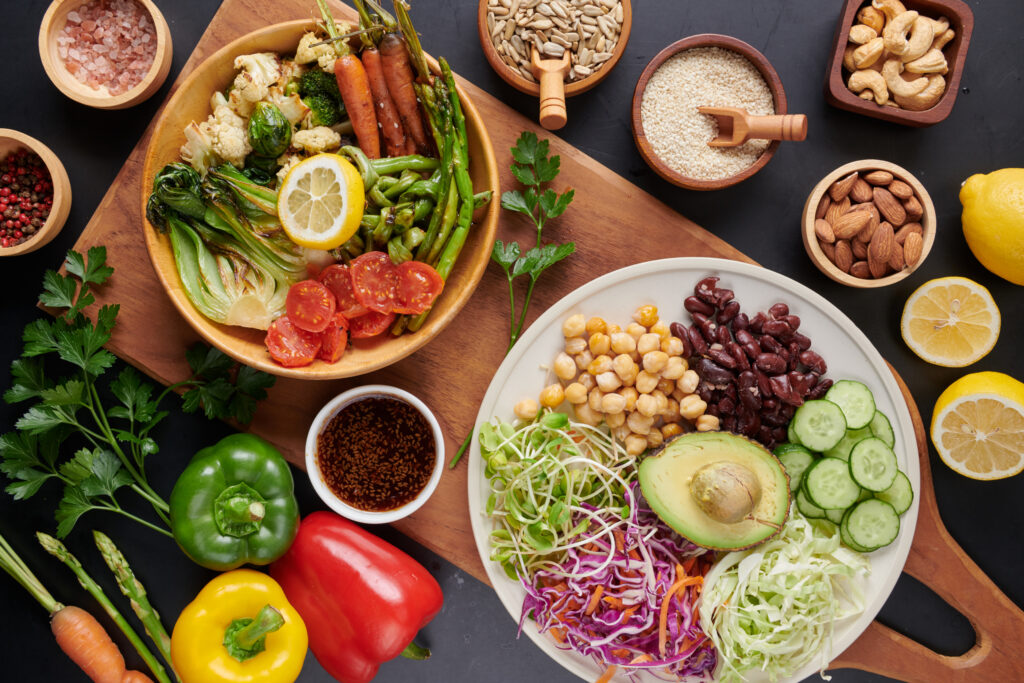
Every year is eventful either personally or professionally. The year 2023 was no different. I am always amazed by the human body’s extraordinary healing capacity when given the right tools. Two incredible journeys of my clients have forced me out of a hibernation as a writer to present you with their triumphs. I want everyone who reads this to draw inspiration to bring in change in their own lives. I firmly believe in the power of nutrition as a healing tool. But when combined with the right life style changes the ensuing change is miraculous.

Subhi presented with Alopecia and Hashimoto thyroiditis, type of autoimmune conditions where hair loss happens in patches and symptoms associated with thyroiditis in the month of April. Her inflammatory markers were off the charts and thyroid antibodies were elevated. In case of any autoimmune condition, the underlying cause is always chronic inflammation which is a result of cascade of reactions in the body.( chronic inflammation). She was completely overwhelmed understandably. I explained to her about chronic inflammation and we started the anti inflammatory lifestyle. I completely cut off processed food, dairy and allowed very limited quantities of animal foods in her diet. I added lots of vegetables, fruits, whole grains and beans to her diet which provide the necessary anti-oxidants needed to reverse inflammation. We also worked on restoring the circadian clock by setting sleep timings. Though skepticism prevailed about the changes, Subhi worked hard on herself and slowly started to feel better. Her regular blood work revealed reduction in inflammatory marker numbers which in turn kept her on the path. Ultimately after some months, I took out gluten from her diet and it further improved her condition. By first week of December, all her markers returned to normal and the doctor declared she does not need any further medication. She told me that the doctor referred her as a “special case”. Below is what she has to say about the journey.

If you are looking for a healthy miracle in your life, without a doubt reach out to Anupama ji. I have personally lived this experience of reversing chronic autoimmune conditions with her help and support. Just lay trust in the process and know that you are in good knowledgeable and un-judgemental hands. I have been treated by her at several critical moments of my life and I truly feel fortunate to have her clarity on food systems, body and mind to walk me through them. Cant thank her enough.

Monu Chaturvedi started his journey with me in the month of May who was referred by Dr. Manoj Gulati. The patient presented with compromised Liver function which was heading towards Cirrhosis. He also had Diabetes, Chest pains and palpitations. I must mention here that he was only 27 years old. He was not an alcoholic, hence his condition was termed NASH(Non Alcoholic Steato Hepatitis). He had a very bad life style with excessive consumption of processed foods and fibre was missing from his diet. He lived in Dubai so I had to train him about the importance of eating home cooked meals. Whenever the liver is compromised, fat is the first thing to be limited in the diet. To ensure the above, I stopped all added fats in the diet. It is unimaginable to cook without added fat in majority households, but Monu put up a brave front and agreed to embark on this journey. The only fat in his diet was coming from nuts and seeds and a serving of low fat curd in a day. Eating large quantities of vegetables was challenging in the beginning but his gut slowly healed. He started to see a change in his sugar numbers and the palpitations and chest pains vanished. Dr. Gulati worked closely with Monu in reducing the medications progressively. It was a boon that we had him on board. By November, most of his medications were stopped and the liver scan was a revelation. The liver had healed completely. This is what he has to say about the journey

I am Monu Chaturvedi and my age is 28 years. My weight was 96 kg and was suffering from many health issues like diabetes, liver cirrhosis, high triglycerides etc. My doctor told me that my liver will fail if I don’t change my eating habits and lifestyle. My doctor suggested to take a nutritious diet from Anupama Shastry. Once I started taking diet from her, I lost 16 kgs in 6 months. I could not believe the results. She is an incredible dietitian. She always gives a diet according to the need of the body and is very supporting, very understanding, very knowledgeable and a polite nature lady . Earlier I ate 18 tablets in a day now I am on 2 tablets because of her. My liver has healed and my diabetes has reversed. I truly respect her.

Readers may be skeptical with the results. But in my line of work I see miracles happening everyday. Its the belief of the person that if he/she can correct their wrong habits and identify the human body as a complex entity and not a dump yard, will put them on the healing path. We have to remember that the body has all the tools to heal. We just have to provide with the ideal environment of right food, exercise, sleep and stress control to heal ourselves. I urge the readers to not to look at the degree of success but the progressive improvements such a lifestyle would bring to them.

Resolve to change bit by bit in the right direction because it is never too late.

Image by jcomp on Freepik
What is Gut Dysbiosis?

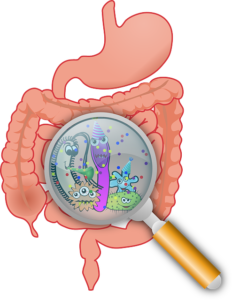
In my practice I see a lot of patients with Gut disorders. The main reason for majority of the Gut disorders is an impairment in Gut Biota known as Gut dysbiosis. There is no official data available for the number of Indians affected by Gut dysbiosis. But looking at the growing number of gastroenterlogists across the country, we are staring at an epidemic.
What is Gut Dysbiosis ?

Approximately 100 trillion micro-organisms (most of them bacteria, but also viruses, fungi, and protozoa) exist in the human gastrointestinal tract. There are approximately over 400 species of bacteria in our system that make up our gut microbiome. We actually have more bacteria in our gut than the number of cells in our body. These bacteria help digest food, synthesize vitamins, and fight off harmful pathogens. In short, gut bacteria are a fundamental part of our health, and without them we cannot survive.

Out of these 400 species of gut bacteria, some are beneficial and others are oppurtunistic or bad bacteria. Our body requires a very specific balance of both. Bad bacteria and yeasts generally are not problematic and typically work in harmony with the rest of our gut bacteria. As long as we have an adequate amount of beneficial bacteria to prevent the overgrowth of the bad bacteria, our system works in harmony. When the bad bacteria begin to outnumber the good bacteria or an overgrowth of yeast occur,problems start. This is called Gut Dysbiosis.

Symptoms:

There is an exhaustive list of symptoms when someone is facing gut dysbiosis. All symptoms might not be there together.

  • Frequent gas, bloating, belching
  •  Diarrhea, constipation
  • Acid reflux
  • Unexplained weight gain and/or difficult weight loss
  • Irritable bowel syndrome (IBS)
  • Irritable bowel disease (IBD)
  • Anxiety
  • Depression and/or frequent low mood
  • Halitosis (chronic bad breath)
  • Joint pain
  • Skin conditions (acne, eczema, psoriasis)
  • Low energy and chronic fatigue
  • Diagnosis of an autoimmune condition (such as Hashimoto’s thyroiditis or rheumatoid arthritis)
  • Allergies and food sensitivities
  • Chronic yeast or fungal infections
Causes:

The potential causes is primarily our skewed lifestyles with overdependence of quick fixes whether it is food, sleep or medicine. A deviation from our traditional diets is also a main reason. But still we can list the major causes as below.

  • Frequent antibiotic use
  • Excessive alcohol consumption
  • Frequent use of antacids
  • Chronic stress (physical and psychological)
  • Previous bacterial or parasitic GI tract infections: E.Coli, Salmonella etc
  • A diet high in refined sugar, processed foods, hydrogenated fats, and trans fats
  • A low-fiber diet
  • Environmental toxins, such as pesticides
Treatment:

The foods we eat have the power to heal or destroy the gut bacterial balance. A holistic approach to life where there is a balance between the mind and body is the key in setting the homeostasis.  Eating a clean diet with lots of fibre and minimal exposure to processed food is the way forward. The process of addressing triggers should begin with identification and elimination of all potential pathogenic GI infections through testing. Non-pathogenic bacterial overgrowth must also be identified and treated.

My Take:

In Ayurveda a lot of importance is given to Gut cleansing in any protocol for treating a specific disease.  We should also focus on setting right the gut biota. Our present obesogenic environment is making it more difficult to lead a clean life. Empowering ourselves with the right knowledge is very important.

LOOK OUT FOR THE NEXT POST WHERE I DISCUSS TREATING DYSBIOSIS IN DETAIL

Are you blaming your genes for your health status?

Kshipra was very worried. Her mother was diagnosed with breast cancer and her aunt was also in cancer remission. She believed that she would also get cancer in the coming years as revealed by genetic testing. She asked me whether anything could be done by her to postpone the inevitable.
People generally tend to blame their bad genes for their current or future health status. It provides them a false satisfaction to continue with a bad lifestyle. Many of the chronic illnesses including Obesity, Cardiovascular disorders, Cancer, Diabetes etc might be influenced by the genetic makeup of the person but that is not the major contributor as a causitive factor. Scientists have discovered that it is the environment which determines Gene Expression. This field is called EPIGENETICS.

Epigenetics:

Epigenetics literally means “above” or “on top of” genetics. It refers to external modifications to DNA that turn genes “on” or “off.” These modifications do not change the DNA sequence, but instead, they affect how cells “read” genes. Genetic predisposition is only a part of what goes into creating most diseases today, and it is usually not the largest part. It is estimated that in most diseases, genetics only contributes about 10% toward actual disease expression and progression. The other 90% is contributed by your “exposome,” which Dr. Christopher Wild says “encompasses life-course environmental exposures (including all lifestyle factors), from the prenatal period onwards.”

Epigenetics is best explained by studying Identical twins.

Identical twins are said to be genetic carbon copies of one another. And yet, over time, these identical twins shift and change so that their physical expression often becomes distinct. In other words, we can more easily tell one from the other. While it is the genes that provide the instructions for the development of the body, it is the epigenome that interacts with the DNA to provide what might be considered a second set of instructions.

This explains why one identical twin develops cancer and the other remains healthy when they have identical DNA OR  why does one twin become obese while the other remains lean.

Factors Impacting Gene Expression:

People are often told that nothing is in their hands and we are what we are born with. But Epigenetics clearly proves them wrong. The factors that influence epigenetics are the following

  •            Nutrition
  •            Stress
  •            Exercise
  •            Sleep
  •            Relaxation

The majority of people will develop the modern diseases only in the presence of a combination of environmental exposures, each being a unique combination. Lifestyle, diet, environment, gut flora, sleep, stress, and mental outlook play the largest role in genetic expression of most chronic disease states. You need to consider your internal and external environment in addition to your genetic predisposition to understand more fully your health.

Bottomline:

Its time to drive home the message, Health in our hands. We do not manifest disease merely by a defective gene, but by your epigenome. In other words, whether or not we develop disease is determined by how our genome is being directed to express itself. There are also “master genes” that can switch on and off clusters of other genes.

It means we are not doomed by bad genes.

Epigenetic therapy, which is essentially the curing of disease by epigenetic manipulation, involves changing the instructions to our cells — reactivating desirable genes and deactivating undesirable ones. This may be the future of medicine.

We should always remind ourselves in most cases, Genes can only load the gun, but the environment pulls the trigger.

The Oil Confusion

Lata was excited about a new product she had purchased. It was a oil targeted at diabetics. She wanted to know if it was as good as it claimed. The market is filled with large amount of oil brands in different blends and sources. People are thoroughly confused to make a choice. Advertisers make tall claims about their products. As a consumer, making an informed choice is of paramount importance.

Background:

Traditionally oil was made using a long cylindrical contraption called a “ghani” was used. The oilseeds were placed inside and ground with a pestle until the oil came out. This is the simplest method for “cold-pressing” the oil out of a seed because it doesn’t involve the generation or addition of heat. The residue or the oil cake was used as fodder for cattle.

Post industrialisation, modern machine and methods have produced Refined Oils. Lets take a look at the refining process.

Step 1: Obtain the seeds, nuts or beans.

Step 2: Extract oil (either by mechanical pressing or chemical extraction). Chemical solvents like hexane or heptane may be used to extract the oil and the oil is distilled at 150 degrees Celsius. During this step, the oil loses protein, fibre, vitamins and minerals.

Step 3: Degumming. In this step, oil producers remove the phospholipids – fats that line our cell membranes – as well as calcium, magnesium and iron. One specific fat extracted during this process is called lecithin, a crucial lipid for brain health and memory.

Step 4: Refining. The oil is mixed with a corrosive called sodium hydroxide to further remove phospholipids and free fatty acids.

Step 5: Bleaching. During bleaching, filters remove pigments like chlorophyll and beta carotene. Cholophyll is the plant pigment responsible for photosynthesis, and it has anti-inflammatory and immune-boosting properties. Beta carotene is the pre-cursor to Vitamin A, which is important for our vision, skin and immunity.

Step 6: Deodorizing. By this point, all of the oil processing has impacted its smell and taste. If you were given a teaspoon of oil after Step 5, you definitely wouldn’t want to consume it. That’s why oil producers need to deodorize the product by heating it high temperatures (240-270 degrees Celsius) and filtering out the strong odours and flavours. During this process we lose Vitamin E, an antioxidant that protects our cells from damage.

Before the oils are ready to be sold, preservatives are added to boost shelf life.

* Reference: Erasmus, Udo.  Fats That Heal Fats That Kill: The Complete Guide to Fats, Oils, Cholesterol and Human Health.

PHEW that is a lot of chemicals. Further a lot of cheap quality seeds and cheap oils are blended into various oils.

Oils that have been refined through this process stay longer on the shelves and are more stable. This, however, is at the cost of its nutritional value.

What  oil should we be using then?

Cold Pressed oils are our best bet. They retain the flavour and antioxidants of the seed. They are healthy for this reason.

Focus should be on traditional oil seeds which have been in India from times immemorial. Mustard, Coconut, Sesame, Groundnut are the most suitable for Indian cooking. Sunflower is the latest addition.

But we have soyabean,ricebran and other blends on the shelves now. Have you ever tried to crush soyabeans and rice bran? We do not get a drop of oil. Then how is oil retrived from it? Using solvents(meaning chemicals). So it is better to stay away from them.

Care when using cold pressed olive oil:

Source from a  local,reliable manufacturer

Buy only the quantity used in a month, as these oils can go bad after long time.

Store in glass bottles away from heat.

What about Olive oil?

No discussion about oils is complete without answering this question. Olive oil is touted as the elixir of life by many (pun intended). No doubt Olive and Olive oil is nutritionally very good. But it is a very volatile oil. The good fats in Extra virgin variety is easily lost if not stored and transported in specific temperatures. Since the smoking point of this oil is low it cannot be heated to high temperatures.

So until we can source the extra virgin olive oil from Sicily in brown bottles and controlled temperatures(which can be done only by a select few), we are better off eating local stuff.

Bottomline:

Going back to the roots and using cold pressed oils of local oil seeds like Sesame, Mustard, Coconut, Groundnut is the best foot forward.

The Missing Flavour

Food means differnt to everyone and it takes various shapes and flavours in different regions of the world. But scientifically it comes down to the tongue and its sensory region. We can taste Five main tastes Sweet, Salt, Sour, Bitter and Umami. Our traditional regional cuisines incorporated cleverly all tastes in a meal, thereby ensuring a balance in different nutrients.
Fast forward to the present, there is imbalance in our palate. By adopting the fast food culture we have overloaded on the sweet and salty flavours big time. This has led to an abberation in our body constitutions. We have almost forgotten the bitter taste.

The Missing Flavour :

In Ayurveda, the bitter taste is called Tikta Rasa. Bitters are the missing taste in the modern diet, but they are the most common taste in nature. Our ancestors subsisted on diets high in bitters for millennia. Naturally, in a bitter environment, sweet taste was rare and highly desirable. So inherently we have a strong attraction towards sweet taste. Over exposure to the sweet taste has created Insulin Resistance psunami across the world.

When living in Arunachal Pradesh, I used to witness a high consumption of local bitter leaves daily. Probably that was the secret behind their longevity and great health. Traditional south east asian cuisine also uses a lot of bitter vegetables and greens. In India across different regions, the bitter taste is widely spread across with the use of bitter gourd(karela), Lemon and Citron rind pickles and greens like spinach, fenugreek(methi),mustard,amaranth etc.

Benefits Of Bitter Foods:

Nutritional Powerhouse:

Bitter greens are packed with vitamins A, C and K, and minerals like calcium, potassium and magnesium. Filled with folate and fiber these greens are a nutritional powerhouse. They promote great skin (beta-carotene), a strong nervous system (folate), healthy blood clotting (vitamin K) and contain phytonutrients shown to support eye health.

Digestion and Liver Cleanse:

Eating bitter food activates taste buds that simultaneously stimulate enzyme production and bile flow, which promotes digestion. Bitters stimulate peristalsis, the release of bile in the liver and gall bladder, clearing the blood of heat and Pitta. Hence bitter foods help in fat digestion and burning.

Balance of Taste and Cravings:

Ayurveda recommends we consume all tastes for better health: sweet, salty, sour, bitter, pungent, and astringent. Bitter resets the taste buds and destroys food cravings.

Common Bitter Foods:

Bitter gourd, Methi leaves and seeds, Dill leaves(Know About – Dill), Mustard leaves, Amaranth leaves, Rinds of lemon and citron, Cocoa, Water cress, Curry leaves, Broccoli, Spices like coriander,turmeric, cloves etc all provide nutrients.

Conclusion:

Bringing back the time tested flavours and tastes of our ancestral cooking is the best route to take. It would be foolish not to incorporate these amazing bitter foods.

What is Gluten?

The word GLUTEN is a  buzz word all across the world. All supermarkets have specialised rows of gluten free products. I have constant queries on what is gluten, should we go gluten free, should I buy special gluten free products etc etc. People are confused and give into fads. The food industry always wants to make a quick buck and is ingenious in propagating the new fad. Let me give you an example: Black chana are naturally gluten free. A company marketing it had put on GLUTEN FREE boldly on the packaging and was selling it at a higher price point when compared to other shops selling black chanas. Smart right. So let me tell you all about gluten, so that the next time you are not conned.

What is Gluten??

Gluten is a type of protein composed of glutenin and gliadin molecules that form an elastic bond when mixed with water. The word “gluten” is derived from the Latin word for “glue.” Gluten is highly noted for its adhesive abilities that can maintain a compact structure for holding bread and cakes together, and providing a spongier texture.

This protein is present in grains like  wheat, barley, and rye and derivatives of these grains such as malt and triticale. It is also present in wheat varieties like spelt, kamut, farro, durum; and in other products like bulgar and semolina.

Gluten is also disguised in many processed foods like salad dressings, condiments, deli meats , beer and candy. Gluten is present in the most unlikely products, apart from most baked goodies.

Grains like Rice, Oats(not contaminated with wheat), Corn, Millets, Quinoa, Amaranth do not contain gluten.

Celiac disease and NCGS:

A gluten-free diet is primarily used to treat celiac disease, which is a hereditary autoimmune disease affecting 1 in 100 people worldwide. If consumed, gluten triggers an inflammatory immune response damaging the lining of the small intestine and subsequent malabsorption of nutrients in people diagnosed with celiac disease.

Symptoms of celiac disease include malnutrition, severe dysbiosis, stunted growth, cancer, severe neurological and psychiatric illness and even death.

This occurs in a very limited population where it can be tested with gluten antibodies. According to Professor David Sanders, a consultant gastroenterologist and co-founder of the Sheffield Institute of Gluten-Related Disorders says that, there is a rise in coeliac disease. This could be because there is more awareness and diagnosis, but also because consumption of gluten-containing foods has increased. “Both in the Indian sub-continent and in China, as they are adopting a westernised diet they are developing coeliac disease. Before, it was a rice-based culture. Suddenly, as they bring in pizza, pasta, bread, they are seeing this. Another thing is, the number of wheats we have artificially cultivated in modern society have a higher gluten content than ancient grains. On a global scale the consumption of gluten is increasing and that comes at a price.”

NCGS: 

Non-celiac gluten sensitivity, is the new term given to Gluten Sensitivity or Gluten intolerance. People with NCGS  do not have celiac disease, yet they feel noticeably better when they avoid gluten. The extent to which this is true depends on the exact person, since different people can react negatively to gluten to different degrees. 

Typical symptoms of gluten sensitivity include nausea, skin irritation, bloating and gas, brain fog and fatigue.

However,  it is  difficult for researchers to estimate the exact prevalence of gluten intolerances and NCGS because there still is not a definitive diagnostic test that is used or consensus over which symptoms must be present. It is also hard to diagnose NCGS accurately because many of the symptoms caused by gluten are broad and very similar to symptoms caused by other disorders (like fatigue, body pains and mood changes). There especially seems to be a big overlap between irritable bowel syndrome (IBS) symptoms and gluten intolerance.

My Take:

In my practice, I routinely put patients with Autoimmune conditions like Psoriasis, Irritable bowel syndrome, Excema, Autistic kids, Arthritis,Fibromyalgia etc as most of these conditions have underlying leaky gut syndrome. Eliminating gluten has shown wonderful improvements in the majority of those cases where chronic inflammation is the root cause. But everytime everything does not work on everyone. Protocols have to be always individualized.

If people start replacing wheat with processed gluten free products, it is not going to make any leeway in their health. The highly priced gluten free products if processed,does not serve the purpose. Being aware is the best step forward.

Can we be fat and thin at the same time?

Naresh and Pavani were a nervous lot when I met them. The couple had sought an urgent appointment and were eager to share an information. Physically both of them looked fine. When I went through Naresh’s blood reports, his HbA1C, the three month blood sugar average was 12.2 and his fasting was 470. Conventionally nobody would suspect such high levels of sugar abberation in thin people.His diet history on the other hand painted a different story altogether. There was lot of processed stuff in his diet and he was never worried beacuse he was thin.It is generally believed that thin people can get away with eating all the sweets and fried items. He was a classic example of TOFI.
what is TOFI?

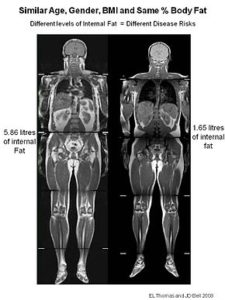
TOFI stands for ”Thin Outside, Fat Inside” The term TOFI was coined by Professor Jimmy Bell. It refers to a fast-growing health concern in the Western world and also in Asian populations. Unfortunately it is prevalent in young children now. So we should be even more careful. The condition is notoriously elusive but dangerous, since everything seems rather normal from the outside. A person who is TOFI does not really get to know of these dangerous levels of visceral fat that are definitely a cause for worry most of the time. The only way to know if  fat encapsulates our vital organs is to get lab tests and MRI scans.

There are two main types of fat distribution:

Subcutaneous and Visceral. 

The fat which is stored below the skin is called subcutaneous. The unseen fat around our organs is called visceral  or abdominal fat.  We may have visceral fat but yet not be obese. This fat is wrapped around our organs, slowing their function and damaging them, long term. This fat is a major risk factor for diabetes, heart disease and atherosclerosis. When someone who you would not expect gets one of these problems it may be internal fat that caused it.

Professor Jimmy Bell, head of molecular imaging at Imperial college London,  was able to show that people of similar age, gender, BMI and same Percent Body Fat had completely different body fat distribution. He used Magnetic Resonance Imaging (MRI) to come to this conclusion. The picture depicted above shows two males of similar age, BMI and same Percent Body Fat. Fat shown as bright and lean tissue as dark. One person has almost 5 times more visceral fat than the other. Scary isn’t it.

The professor  stresses that this referred to men and women that have a BMI of 25 or lower and do moderate or no exercise. To my surprise one of the TOFI examples he used, were also underweight people, such as fashion models; Whereas on the other hand, he used the example of Sumo wrestlers that have a BMI of 56 and consume up to 8,000 calories per day but exercise daily and have little visceral fat;

Adequacy of BMI?

This clearly shows that the measure Body Mass Index is not always adequate. The problem with BMI is that anyone with higher muscle mass would come out with a high BMI when in fact they have low levels of visceral fat. Also, BMI doesn’t take bone-structure into consideration. If you have a smaller bone structure, you may have a lesser BMI than a person who of a similar height but is broader and wider, even if we are carrying more fat.

Contirbuting Factors:
  • Belly Fat
  • Drinking often and too much, with more than 2 drinks daily
  • Eating processed foods
  • A low nutrient dense diet with a large number of empty calories coming from sodas and sweetened beverages
  • Dieting often with poor nutritional practices
  • Lack of physical activity
  • High cortisol levels, which are commonly caused by stress
  • Poor sleep patterns
Tracking and Reversal:

Tracking TOFI without modern instrumentation is difficult. The best method to track it is measuring Waist to Hip ratio(WHR). Ideally, our waist should  be smaller than our hips. Abdominal obesity is when our WHR is greater than or equal to 0.9 for a man and greater than or equal to 0.85 for a woman.

Methods to reverse TOFI:

Eat a balanced nutritious plan:

The nutrition plan should contain lots of fresh vegetables and fruits, lean protein and complex carbohydrates such as beans, lentils and sprouted grains for energy and fiber. In addition, try cooking with olive, canola, peanut, safflower or sesame oils, as they contain monounsaturated fats, the “good fats” when used in moderation.

Regular Exercise:

Studies indicate a regular exercise regimen is paramount in reducing visceral fat. Even a weight loss of five to 10 percent of our total body weight can help reduce visceral fat stores. Choose the activity which makes you feel good as it is helpful in sustaining the activity. To build muscle mass, strength training can be extremely beneficial. It increases lean muscle as well as improving insulin sensitivity. Simple bodyweight exercises such as press ups, step ups and squats can be highly effective.

Inculcate healthy life style practices:

As stated in the Guidelines for Overweight and Obesity, Choosing healthier lifestyle choices will improve our quality of life. In order to improve our overall health, stop smoking, drinking, being inactive and eating high-fat, processed foods. Emphasise on proper sleep. Reducing stress is also key.

Conclusion:

Taking into account the above facts, it is imperative that what meets the eye need not be healthy. Our focus should always be on  holistic measures to maintain and thrive in this body.


Zinc Benefits

Micronutrients consisting of Vitamins and Minerals are the back bone of all metabolic processes of the body. The body cannot produce these micronutrients and food is the main source of them. A balanced diet should provide all the micronutrients, but the present population lacks a significant amount of these micronutrients due to excessive use of processed food and lack of vegetables and fruits in the diet.

Zinc is one of the most common elements in the earth’s crust and is found in the air, soil, and water and is present in all foods. Used since ancient Egyptian times to enhance wound healing, zinc is a mineral that is necessary for the survival of many species. Zinc is one of the most important essential trace mineral human body needs. The content of Zinc is second only to Iron in human body. The amount of Zinc in the body  is approximately 2 to 3 g. Zinc is largely found in intracellular compartment of tissues such as the liver, pancreas, kidney, bone and muscles, with smaller concentrations in the eye, prostate, fingernails, hair and skin.

Functions:

Zinc is necessary for the growth and development of all living organisms as it is a cofactor for more than 300 enzymes. Zinc plays a very important role in numerous catalytic and regulatory enzymes and in protein folding and receptor binding. Zinc is an essential component of a large number of enzymes including polymerases and proteases involved in many cellular functions and plays an important role in cellular growth, differentiation in tissues including immune system and gastrointestinal tract. It is the cofactor of thymulin, a thymic hormone, essential for T cell maturation responsible for immune function.

Benefits:

Immunity:  

Zinc is very important in maintaining the immune system of the body. Ionic zinc, based on its electrical charge, has the ability to exert an antiviral effect by attaching to receptors in nasal epithelial cells and blocking their effects. 

Potent Antioxidant: 

Zinc is a very strong antioxidant and it helps protect cells in the body from damage caused by free radicals. Zinc can neutralize free radicals and may reduce or even help prevent some of the damage they cause. Free radicals are known to induce aging process, heart disease and cancer.

Hormonal Balance:

Zinc is needed for the production of Testosterone, Estrogen and Progesterone. So any deficiency of Zinc has a direct impact on  the fertility of people.

Muscle Growth and Repair:

A key structural role of zinc in protein formation and plays important roles in the functions of DNA. RNA, and transcription of receptor factors. Zinc plays a crucial role in cell division and cell growth, so zinc benefits muscle repairment and growth by making it possible for the body to heal itself and maintain strength in the muscular and skeletal systems. Zinc increases the production of Testosterone, hence it is a key mineral in building muscle mass.

Vision Protector:

Zinc  is also a component of key enzymes that help preserve vision and protect against age-related vision loss, including macular degeneration.

Deficiency Symptoms: 

Rashes, Anorexia, Lethargy, Growth retardation, Impaired lmmunity, Slow wound healing, Altered taste, Night blindness, Eye and skin lesion, Poor carbohydrate metabolism, Altered cognition, bacterial and yeast infections are some of the symptoms of Zinc deficiency.

The extent of zinc deficiency worldwide is not well documented. Brown and Wuehler in 2000 reported that Prevalence of zinc deficiency in developing countries is very common, and 61% of the population is at an increased risk of low dietary zinc intake.

Food Sources:

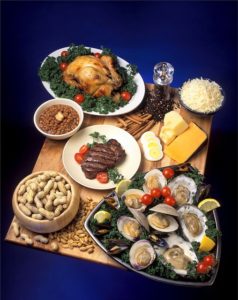
Animal foods such as Red meat, Eggs,  Oysters (cooked), Fish, Cheeses (Ricota,Gouda) are  rich sources of zinc. The best plant sources are legumes (Chick peas, black-eyed peas, lentils,peas, and whole soy products), pumpkin seeds, whole grains and nuts.

The bioavailability of Zinc from animal foods is better than plant sources. Phytate (phytic acid) is common in plant foods and
can reduce zinc absorption by attaching to zinc in the
digestive system and preventing absorption. This could be
a problem for vegetarians who get their zinc from highphytate
sources such as whole grains, legumes, nuts and
seeds. People with high-phytate diets might have zinc
requirements up to 50% higher than the normal population.

Soaking and sprouting beans, grains, and seeds, and
using grain products that rise (for example, bread
instead of crackers) reduces phytate.

Requirement:

According to the National Institutes for Health, infants 7 months – 3 years should get 3 mg daily; children 4 – 8 years, 5 mg; 9 – 13 years, 8 mg; males 14 years and older 11 mg; females 14 -18, 9 mg; pregnant females 14 -18, 13 mg; and pregnant females 19 and older, 11 mg. This can be met with a balanced diet when rich sources are consumed regularly.

Supplementation:

Supplementation becomes important when proprer assimilation does not occur. People in high risk categories like Pregnancy, Alcoholics, Adolescents are more prone to zinc deficiencies. People who suffer from severe stomach-acid issues, chronic digestive problems like leaky gut syndrome  are also more likely to have a zinc deficiency.

For general health, the following protocol may be followed. A general reccomendation of 15mg per day will suffice.

Zinc citrate and zinc gluconate are the most
reliable forms of zinc supplements. Avoid taking a
supplement of more than the upper tolerable intake
level (UL) of 40 mg per day as that can prevent
absorption of copper.

Conclusion:

Focussing on a Diet change is the best way to ensure Zinc adequacy. Our regular diet should be full of rich sources of Zinc. Zinc supplements are available but should be used with caution, as they can interfere with certain medications and also lead to Zinc toxicity. Popping a pill is never an answer.

Adaptogens


Minal, my globe-trotting client came up one day with a bunch of supplements from Europe. She wanted to show me one thing in particular. The jar was named Super Adaptogens. Curiously I turned the jar to look into the ingredients which listed Ashwagandha,Tulsi, Amla and Yashtimadhu. Some smart marketing I thought. The price was over the top as well.

As I have studied herbs in my alternative medicine course, I regularly use Ashwagandha and Yashtimadhu with my willing clients. These herbs when used judiciously can work wonders on our body. Ayurveda has been advocating the use of these herbs for thousands of years. Unsurprisingly we do not adapt them. We want an endorsement from western countries.

What are Adaptogens?

The term Adaptogen was first defined in 1947 by Dr. Nikolai Vasilyevich, a Russian toxicologist and pharmacologist. He defined “adaptogens” as agents which help an organism to counteract any adverse effects of a physical, chemical or biological stressor by generating nonspecific resistance.

Adaptogens are a class of herbs which help us in combating stress and related illnesses. An adaptogen is a herb that helps us adapt to the environment that we are in. There have been several definitions of adaptogens over time, but the best functional definition we have comes from Doctors Brekhman and Dardymov in 1968. They narrowed down the three things that every adaptogen has in common:

  • Adaptogens are nontoxic to the person taking them. They have very few side effects and can be used long term without major risk.
  • Adaptogens produce a nonspecific response within the body that help to increase the adaptive capacity to the different stresses in life.
  • Adaptogens help maintain homeostasis long term by possessing the ability to regulate (not just increase or decrease) metabolic and neuroendocrine function.
Mode of Action:

The effects of adaptogenic herbs have been well-documented for thousands of years in Chinese and Ayurvedic medicine, and more recently in Western scientific studies. We  know  that all adaptogens work their magic directly on the HPA axis (hypothalamic-pituitary-adrenal), which means that they have a direct effect on how our stress hormones are released and regulated in our bodies. They also have a general balancing effect on regulatory systems, including the metabolic and immune system. This is why herbalists use adaptogens for adrenal support so often.

Common Adaptogens:

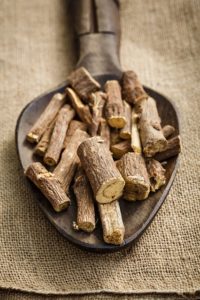
Most common Adaptogens used from Ayurvedic system are Indian Ginseng(Ashwagandha), Holy Basil(Tulsi), Licorice(Yashtimadhu or Mulethi), Indian Gooseberry(Amla),  Asparagus(Shatavari) etc. The ones which can be sourced from other parts of the world are Rhodiola, Maca, Eleuthero, Cordyceps, Astragulus root, Panax Ginseng, Schisandra etc.

Availability:

The Indian herbs can be bought locally at Ayurvedic stores and Health stores. They can be bought online as well.

Usage:

Most of the herbs are available in capsule or powdered forms. Some of them are available as dried roots. They can be brewed into teas, lattes or consumed as such.

Precautions:

Before you start with any regimen, It is imperative to discuss with a health care practioneer about dosage and feasibility. Several of these herbs interact with prescription medications and are not recommended for people with certain conditions. Many of the adaptogens are mixed together and sold as cortisol blockersOnly purchase high-quality, organic varieties from trustworthy sources.

Conclusion:

Stress is part of our daily life. There are multiple ways to combat it. Proper Nutrition, Exercise, Sleep are all necessary to maintain homeostasis. Adaptogenic herbs aid in recovering from all kind of stressors in our life. Which particular herb works for a person is completely individualistic. They have multiple benefits if used right.

I will be writing a detail post on the most common herbs available easily around us. Infact we have already made a begining with AMLA. Read all about that here. The Mighty Amla


Licence To Eat

Ajay was devastated that four months of vigorous exercises had not given the results he was looking for. He was exercising for two hours a day. He had not lost a kilo and was demotivated to discontinue exercise all together. When I probed about his eating habits, he finally confided that he generally treated himself to a pastry,a beer, a packet of chips etc in the night. He thought it was okay to reward himself as he was working out.

I have been associated with the fitness industry for many years now. During that period, I have seen multiple cases where people join the gym to burn off calories they consume through an unhealthy diet, or a busy, extravagant social life. And rather than focusing on getting fit and healthy, many are using it as a way of ‘balancing the scales’ – wiping out the unhealthy food they have already tucked into or giving them an excuse to eat more.

Let us do the math. One medium size samosa is around 300 calories and a 200ml juice is around 250 calories. An average person burns anywhere between 300 and 400 cals an hour. Some people burn even less. But post workout if somebody has a samosa and juice it adds upto 450 calories, which is more than what they burnt. So the argument that I can reward myself falls flat.

Post-workout indulgence:

This is more common than many people would admit. We fail to underestand  that a rewarding behaviour can cause us to regularly overeat without even noticing. And before we know it,  we end up eating more calories than we have actually burned.

Psychology of “the reward”:

Our brains are malleable substances. They notice, learn, and adopt patterns and behaviors without us consciously realizing it. This can be great for learning basic skills as a child, but it can be detrimental to our success when trying to permanently adopt a healthy lifestyle.

Though after a great workout we may think to ourselves, “Hey, I worked really hard. I’ve totally earned a little sweet treat!” We must consider what is going on.

Rewarding our good behaviors with opposing, less desirable behaviors can actually trigger our brain to derail and fall back into our old lifestyles of unhealthy eating and reward systems.

Even just one treat as a reward can lead us off course. One cookie can easily trigger our brain to fall into an addictive behavior…until it’s not just one cookie anymore.

Reward mentality is often the very same reason as to why people don’t end up losing weight, even though they are working out up to 4 or 5 times a week. The number of calories consumed in that post-workout treat tends to be higher than the calories burnt in the workout; making the workout completely null and void.

Solutions:

Prepare ahead:

Keeping handy post workout snacks at hand is absolutely necessary. When food is readily available after workout, our mind will heed to discipline.

Do not starve:

We should not starve ourself. The more hungry we are, the more likely it is that we end up eating far more than we need. Eat regularly. Try to find delicious snacks and treats that are healthy and won’t ruin the results or training effects.

Food is not a reward:

We should stop viewing food as a reward. If we ask ourselves  a fundamental  question ‘what is food?’, the simple answer is that it is fuel. Food is fuel for the body and quite simply – the better the fuel, the better the performance. Instead of thinking how we feel when we eat a desired food, we should  think about what our body needs in terms of nutrients.

Hydrate Well:

Nine times out of ten, when we think we are hungry, we are actually experiencing  thirst. Yes, our brains confuse the early signs of dehydration; low energy, sleepiness, moodiness  with feelings of hunger as thirst and hunger centre lie next to each other in the brain. Make sure to always carry  a water bottle filled with fresh water with you whenever you work out and remember to drink small, frequent sips from it throughout.If you do feel hungry after exercise, try drinking lots of water first and then wait for 20 minutes before asking yourself whether you are hungry. If you still feel hungry, have a healthy meal of carbohydrates and protein.

Stop Measuring:

It is so easy to become obsessed with number counting every last little morsel that enters our mouths, but it really is not a healthy and sustainable way to live. If we are eating a healthy, whole food, balanced diet full of fresh fruit, vegetables, protein and carbs, and try to avoid consuming as little processed foods, sugars and alcohol as possible then we really shouldn’t need to worry about the calorie content of your food. Likewise when you exercise, don’t become fixated with the number of calories you’ve burnt.

Clean up the house:

Do not stock any junk at home. When there is nothing stocked chances of bingeing are minimal.

Final Thoughts:

Most of us look at exercise as a difficult task that requires a lot of effort to accomplish. So, when we have a good workout, we feel the need to reward ourselves with a heavy meal. This trap all too often leads to overindulgence, thus driving up calorie intake and messing up weight loss or muscle building progress. One very simple but effective way of stopping this cycle is to view exercise in a new light. If you start looking at exercise as something fun and necessary for enjoying overall health and fitness, you will not feel the need to reward yourself for reaching a huge milestone in your fitness journey.

We do not have a Licence To Eat just because we decide to exercise.