There has been an alarming rise, in the number of Fatty liver cases in recent times in India. Findings suggest that, 1 in 5 people have excess fat in the liver and 1 in 10 have liver disease. A recent paper published in Indian Pediatrics showed that 22% of children between ages 5-10 had fatty liver. That might not be the same demographically across the country, but it should send warning bells to all parents.
Fatty liver, or Hepatic steatosis, is a term that describes the buildup of fat in the liver. It is normal to have some fat in our liver, but too much can become a health problem. 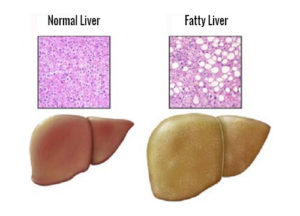
There are two major types of fatty liver disease — Alcohol-induced and Non-alcoholic fatty liver disease(NAFLD). Fatty liver is one of the leading contributors to liver failure. Nonalcoholic fatty liver disease is most commonly diagnosed in those who are obese or sedentary and those who eat a highly processed diet. A fatty liver is reversible in its early stages if the underlying causes are eliminated, but continued injury can ultimately cause progression to NASH, cirrhosis, and liver cancer.
SYMPTOMS
NAFLD shows no symtoms( asymptomatic) in the early stages. As the disease progresses, fatigue, nausea,loss of appetite and abdominal pain are the earliest symptoms. As NASH progresses to liver cirrhosis, classic symptoms of liver insufficiency can occur: swelling of the legs and abdomen, confusion, muscle wasting, etc.
CAUSES
The two main causes of NAFLD are poor diet and sedentary lifestyle. NAFLD goes hand in hand with Obesity and Diabetes. People with high blood lipids(Hyperlipidemia),Hypertension are also prone. Some Indians are also genetically predisposed to NAFLD.
DIAGNOSIS
A physical exam from the physician can reveal the presence of fatty liver. Imaging tests such as Ultrasound, CAT scan, and MRI can diagnose later stage NAFLD, but they are insensitive in detecting early disease. Simple liver function tests, such as AST, ALT, INR, and GGT, can be slightly elevated.
TREATMENT
The primary treatment for NAFLD is lifestyle modification. Eating a balanced diet, with emphasis on whole foods and increasing one’s physical activity all help in reversing fatty liver.
Protecting our liver is one of the best ways to prevent fatty liver and its complications. Awareness about the magnitude of the problem which we face, is the first step in the right direction.
Very informative. Thanks
Very informative. I am a great fan of you. Please continue the good work
Good insights on a topic not much known by the common man
You are nutrition queen 🙂