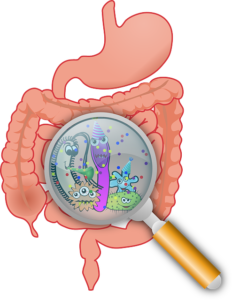
 In my practice I see a lot of patients with Gut disorders. The main reason for majority of the Gut disorders is an impairment in Gut Biota known as Gut dysbiosis. There is no official data available for the number of Indians affected by Gut dysbiosis. But looking at the growing number of gastroenterlogists across the country, we are staring at an epidemic.
What is Gut Dysbiosis ?
Approximately 100 trillion micro-organisms (most of them bacteria, but also viruses, fungi, and protozoa) exist in the human gastrointestinal tract. There are approximately over 400 species of bacteria in our system that make up our gut microbiome. We actually have more bacteria in our gut than the number of cells in our body. These bacteria help digest food, synthesize vitamins, and fight off harmful pathogens. In short, gut bacteria are a fundamental part of our health, and without them we cannot survive.
Out of these 400 species of gut bacteria, some are beneficial and others are oppurtunistic or bad bacteria. Our body requires a very specific balance of both. Bad bacteria and yeasts generally are not problematic and typically work in harmony with the rest of our gut bacteria. As long as we have an adequate amount of beneficial bacteria to prevent the overgrowth of the bad bacteria, our system works in harmony. When the bad bacteria begin to outnumber the good bacteria or an overgrowth of yeast occur,problems start. This is called Gut Dysbiosis.
Symptoms:
There is an exhaustive list of symptoms when someone is facing gut dysbiosis. All symptoms might not be there together.
- Frequent gas, bloating, belching
- Diarrhea, constipation
- Acid reflux
- Unexplained weight gain and/or difficult weight loss
- Irritable bowel syndrome (IBS)
- Irritable bowel disease (IBD)
- Anxiety
- Depression and/or frequent low mood
- Halitosis (chronic bad breath)
- Joint pain
- Skin conditions (acne, eczema, psoriasis)
- Low energy and chronic fatigue
- Diagnosis of an autoimmune condition (such as Hashimoto’s thyroiditis or rheumatoid arthritis)
- Allergies and food sensitivities
- Chronic yeast or fungal infections
Causes:
The potential causes is primarily our skewed lifestyles with overdependence of quick fixes whether it is food, sleep or medicine. A deviation from our traditional diets is also a main reason. But still we can list the major causes as below.
- Frequent antibiotic use
- Excessive alcohol consumption
- Frequent use of antacids
- Chronic stress (physical and psychological)
- Previous bacterial or parasitic GI tract infections: E.Coli, Salmonella etc
- A diet high in refined sugar, processed foods, hydrogenated fats, and trans fats
- A low-fiber diet
- Environmental toxins, such as pesticides
Treatment:
The foods we eat have the power to heal or destroy the gut bacterial balance. A holistic approach to life where there is a balance between the mind and body is the key in setting the homeostasis. Eating a clean diet with lots of fibre and minimal exposure to processed food is the way forward. The process of addressing triggers should begin with identification and elimination of all potential pathogenic GI infections through testing. Non-pathogenic bacterial overgrowth must also be identified and treated.
My Take:
In Ayurveda a lot of importance is given to Gut cleansing in any protocol for treating a specific disease. We should also focus on setting right the gut biota. Our present obesogenic environment is making it more difficult to lead a clean life. Empowering ourselves with the right knowledge is very important.
LOOK OUT FOR THE NEXT POST WHERE I DISCUSS TREATING DYSBIOSIS IN DETAIL
Thanks for sharing anupama.
Thanks for the info….it is ready very helpful!
Thanks for the info….it is really very helpful!
Interesting and informative. Many new things to learn.
Body and mind balance can improve our gut also is really interesting.
Thank you mam for the precious knowledge you always spread.
Excellent post! We will be linking to this great article on our website. Dixie Ingemar Leibman